Essential Steps to Create Effective Study Guides
Learn how to create study guides effectively with AI tools and strategic techniques. Improve your study habits and retention with our essential guide.

Creating a study guide can transform your learning experience. It helps organize information and boosts retention.
Study guides are essential tools for students aiming to excel. They simplify complex topics into manageable sections.
With the right approach, you can make a quiz out of your notes. This enhances understanding and prepares you for exams.
Incorporating AI for students can streamline the process. Free studying AI tools offer innovative ways to create study guides.
Exploring Turbolearn AI alternatives can provide diverse learning options. These tools cater to different learning styles and needs.
This guide will walk you through essential steps to create effective study guides. Let's enhance your study habits together.
Why Study Guides Matter for Students
Study guides are indispensable tools in a student's arsenal. They organize information in a clear and concise way. This structure aids in better understanding and retention of material.
One of the main benefits of a study guide is its ability to focus your learning. By highlighting key concepts, you can concentrate on what's most important. This targeted approach helps in remembering critical details during exams.
Moreover, study guides encourage active learning. Creating them requires summarizing information in your own words. This process deepens comprehension and enhances recall abilities.
Consider the benefits of using study guides:
- They foster efficient and structured learning.
- They help identify and focus on key ideas.
- They improve long-term retention and understanding.

Visualizing information using study guides can also aid memory retention. Whether handwritten or digital, they are invaluable in mastering academic content.
Step 1: Gather and Organize Your Materials
The first step in creating an effective study guide is to gather all relevant materials. This includes class notes, textbooks, and any handouts. Having everything you need in one place saves time and minimizes distractions.
Begin by sorting your materials based on topics or chapters. This will help in systematically covering the course content. Use folders or digital tools to categorize these sections for easy access.
Next, identify and collate important resources. Highlight notes that mention key concepts or explanations. Make sure to include any diagrams or charts that facilitate comprehension.
To help organize your materials, consider these tips:
- Compile notes and handouts by topic.
- Use colored tabs or digital folders for categorization.
- Highlight essential points in your resources.
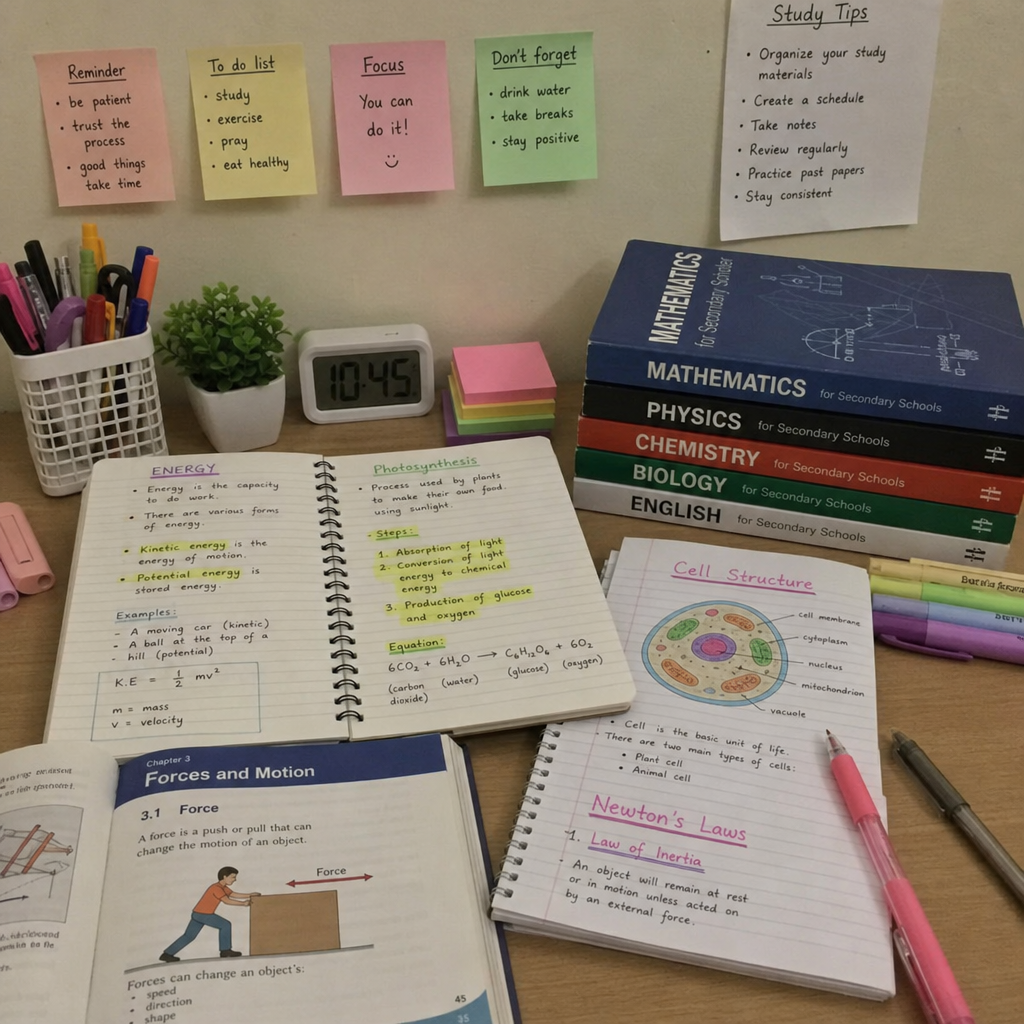
Efficiently organizing your materials sets a solid foundation for your study guide. This methodical approach ensures no crucial content is overlooked.
Step 2: Identify Key Concepts and Learning Objectives
Once you've gathered your materials, pinpoint the key concepts. This involves understanding what topics are essential for the course. Focus on terms frequently mentioned by your instructor.
Examining course syllabi or exam outlines can highlight learning objectives. These objectives are often the benchmarks for what you need to know. Use these as a framework to guide your study sessions.
Creating a concise list of main ideas is helpful. This can include definitions, theories, and important equations. Summarizing information in your words assists in absorbing the content.
To identify key concepts and learning objectives, consider:
- Reviewing syllabus outlines and exam guides.
- Highlighting recurring themes and concepts in notes.
- Creating a list of must-know terms and topics.
Understanding your course’s key concepts sets a clear goal for your study guide. This ensures that you stay on track and cover critical content thoroughly.
Step 3: Structure Your Study Guide for Clarity
Organizing your study guide clearly enhances learning. Start by outlining your guide with headings and subheadings. This approach helps break down complex information into manageable sections.
Bullet points and numbered lists improve readability. They also allow you to scan information quickly. Keep sections concise to aid in long-term retention.
Using consistent formatting aids in creating a logical flow. Employ bold for keywords and italics for definitions. Highlighting important information with colors or symbols also enhances focus.
A well-structured guide makes revision simpler. You can easily locate topics when studying. It's also effective in preparing for exams.
Consider these tips for structuring your study guide:
- Use clear headings and subheadings.
- Apply bullet points and numbered lists.
- Highlight key information with colors.
by iMattSmart (https://unsplash.com/@imattsmart)
By organizing your study guide clearly, you streamline the learning process. This structured approach saves time and supports greater comprehension.
Step 4: Use Visual Aids and Summaries
Visual aids can transform a simple study guide into an engaging learning tool. Incorporating diagrams or charts helps visualize complex concepts effectively. Mind maps can illustrate connections between ideas. This offers a visual representation that simplifies understanding.
Summarizing information in your own words strengthens retention. It forces you to process and comprehend material actively. Summaries should be brief yet informative, capturing the essence of the topic.
Consider using symbols like arrows for relationships or color codes to highlight priority topics. These elements guide your attention and focus. Visual tools make recalling information easier, especially during revision.
Enhance your study guide with visual and summary tools:
- Include diagrams and charts for key concepts.
- Use mind maps for thematic connections.
- Employ symbols and colors for emphasis.

by Egor Komarov (https://unsplash.com/@egorkomarov)
By integrating visuals and summaries, learning becomes more dynamic. This method provides a multifaceted approach to absorbing and retaining information efficiently.
Step 5: Make a Quiz Out of Your Notes
Creating quizzes from your notes transforms passive reading into an interactive learning experience. This step encourages active recall, which is vital for long-term memory retention. Testing yourself lets you identify gaps in knowledge.
Start by selecting key points and turning them into questions. Your quiz can include multiple choice, true/false, or short answer questions. Mixing different question types maintains engagement and challenges different cognitive skills.
Using digital tools can streamline the quiz-making process. Many online platforms allow you to create and customize quizzes easily. This also enables digital flashcards and instant feedback for efficient study sessions.

by Zulfugar Karimov (https://unsplash.com/@zulfugarkarimov)
Incorporate these strategies to construct effective quizzes:
- Transform major concepts into questions.
- Use mixed question types for variety.
- Leverage digital tools for easy quiz creation.
By making quizzes from your notes, you reinforce understanding and boost confidence. This method tests your knowledge and prepares you for exam scenarios effectively.
Step 6: Leverage AI and Digital Tools for Study Guides
Incorporating AI and digital tools into your study routine can drastically improve efficiency. AI for students has transformed the way we create study guides by automating and personalizing the process. These tools analyze your notes and highlight important concepts automatically.
AI software can summarize lengthy texts into concise summaries. This allows you to focus on key information without missing important details. Moreover, digital tools provide interactive elements like flashcards and quizzes to make learning more engaging.
Turbolearn AI alternatives offer diverse features tailored to different learning needs. By exploring these options, you find the best tools for your study style. There are many free studying AI platforms available, reducing the need for costly software.
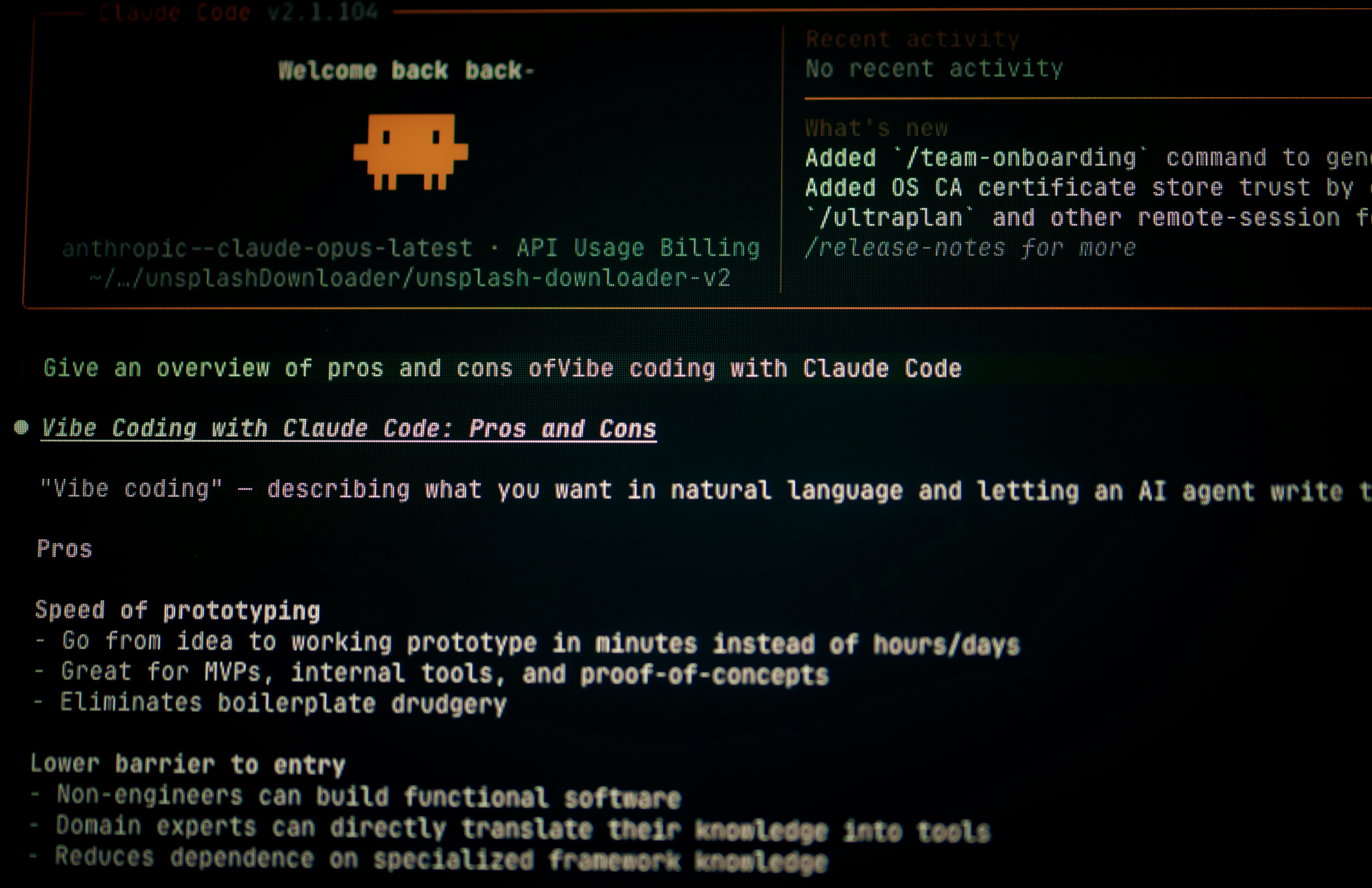
by Bernd 📷 Dittrich (https://unsplash.com/@hdbernd)
Consider these benefits of using AI and digital tools:
- Automatic summarization of notes and materials.
- Personalized study experiences based on learning styles.
- Interactive quizzes and flashcards for engagement.
- Access to a variety of Turbolearn AI alternatives.
Using these modern tools makes studying more efficient and enjoyable. Embracing technology in your study approach can lead to better understanding and retention of information.
Step 7: Review, Revise, and Collaborate
Once your study guide is prepared, the work is not yet complete. Regularly reviewing and revising your guide is crucial to ensure its effectiveness. As you gain more insights on the subject, update your guide to reflect this new information.
Collaboration with classmates or study groups can further enhance your study guide. By sharing your guide with others, you can receive valuable feedback and different perspectives. This collaborative process helps in spotting gaps or inaccuracies that you might have missed.
Incorporate suggestions from peers or teachers to refine your study guide. Collaborative tools make it easy to work together, even if you aren't in the same location. Consider using online platforms to discuss and compare notes with peers.

by Карина Низаметдинова (https://unsplash.com/@nizametdinova)
Here are strategies to make your study guide collaborative:
- Share your guide with classmates for feedback.
- Use online platforms for joint editing.
- Schedule group study sessions to discuss notes.
- Encourage peers to add their insights and corrections.
Collaboration not only improves the quality of your study guide but also reinforces your understanding of the material.
Tips for Personalizing and Maximizing Your Study Guide
Creating a study guide tailored to your needs can significantly enhance its effectiveness. Start by identifying your preferred learning style, whether visual, auditory, or kinesthetic. This knowledge allows you to incorporate methods that suit you best.
Incorporate elements that resonate with you personally. Use colors, symbols, or highlighters to mark essential information. Mnemonic devices can also aid in memorizing complex details or sequences effortlessly.
Experiment with different formats to find what works best for you. Use mind maps if you prefer visual layouts, or outline formats if you thrive on structure. Remember, flexibility is key to developing a truly effective guide.

by Nik (https://unsplash.com/@helloimnik)
Consider these tips when personalizing your study guide:
- Utilize your favorite learning tools and formats.
- Integrate elements like diagrams and color coding.
- Adjust the guide to accommodate new learning strategies.
- Use free digital resources for added customization.
Personalization turns your study guide into a powerful tool that supports your unique study habits, leading to better understanding and retention.
Best Free Studying AI and Turbolearn AI Alternatives
In today's digital age, AI tools offer significant benefits for students. Many free options help create efficient study guides, enhancing learning experiences. These tools can simplify complex tasks, allowing students to focus on understanding.
Free AIs are designed to cater to various learning needs. Whether you're generating summaries or organizing notes, these tools are incredibly useful. Consider alternatives to Turbolearn AI to find the best fit for you.
A few popular free AI tools for students include:
- Grammarly: Aids in writing clarity and correctness.
- Quizlet: Offers flashcards and practice tests.
- Anki: Uses spaced repetition for effective memorization.

by Alphabag (https://unsplash.com/@alphabag)
Experiment with these options to discover the most suitable tool for you. The right AI tools can dramatically improve your study routine, making learning more interactive and enjoyable. By exploring these alternatives, you expand your resources and gain a broader understanding of available educational technology.
Conclusion: Building Better Study Habits with Effective Guides
Creating study guides is an essential skill for academic success. They help organize and simplify complex information, enhancing learning efficiency. By integrating technology and personal strategies, you craft guides that cater to your unique needs.
AI tools and collaborative methods offer valuable support. However, the key to effective studying lies in continuous practice and adaptation. Regularly update your guides to reflect new insights and understanding.
With dedication and the right resources, improving your study habits becomes attainable. Embrace the process and enjoy the rewards of smarter learning. Your journey towards better study habits is both valuable and empowering.
Last updated: July 6, 2026.