How to Study for Exams: A Retrieval-First Plan You Can Finish
Learn how to study for exams with reverse-engineering, spaced retrieval, timed practice, an error log, and a two-week schedule table—no filler, no invented stats.
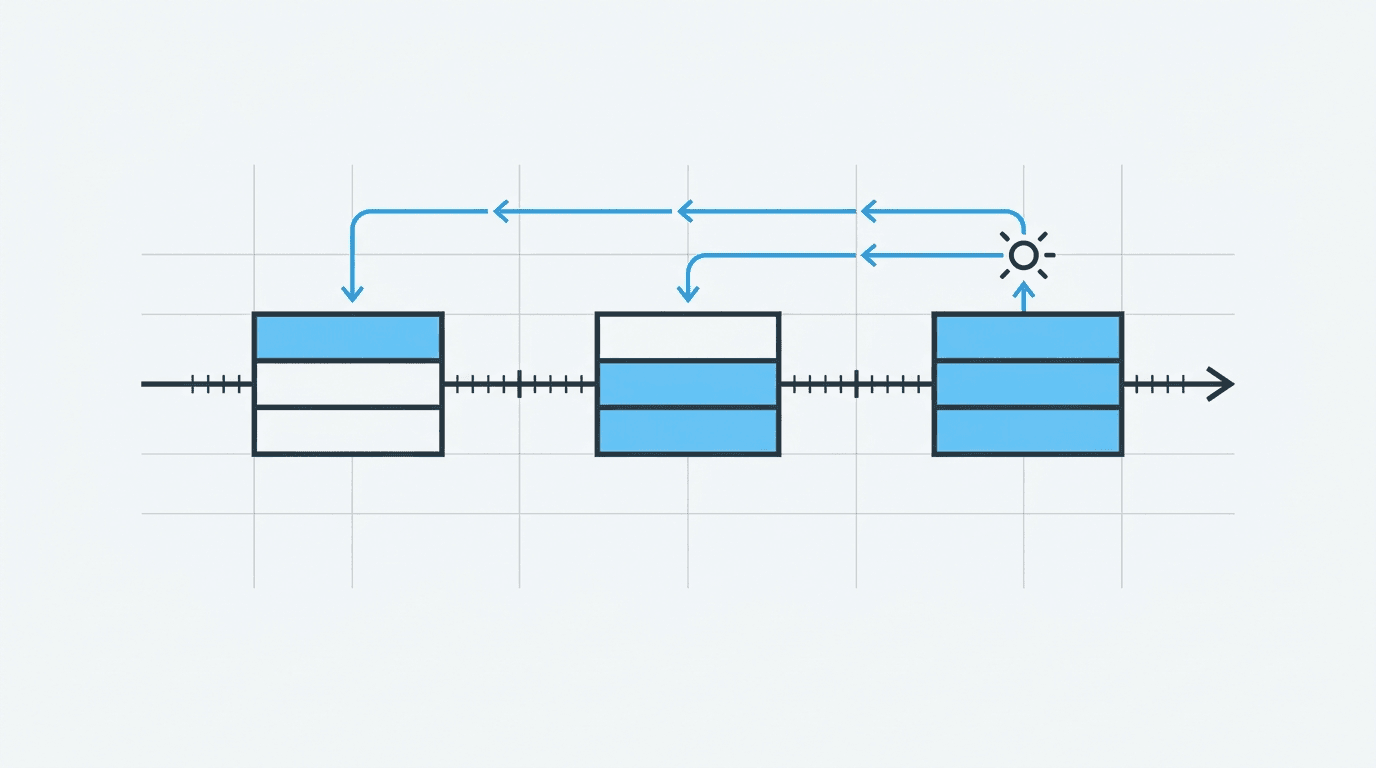
Direct answer: How to study for exams effectively comes down to four moves: reverse-engineer what the test will ask, schedule retrieval (not rereading) across days, run timed practice that matches the format, and maintain an error log so you fix patterns—not random chapters. This is a finishable plan, not a motivational poster. Adapt the timeline to your exam window; keep retrieval and timed practice non-negotiable.
This guide does not promise easy rankings or magic shortcuts. It offers a practical workflow backed by well-known learning principles—spacing and retrieval practice—without invented statistics. Use tools only where they shorten authoring; thinking still happens on paper and in your head.
Step 1: Reverse-Engineer the Exam
Before you highlight anything, collect signals about scope:
- Syllabus learning objectives and weighting
- Lecture slides and problem-set types
- Past exams, study guides, or instructor hints
- What classmates missed on the last assessment
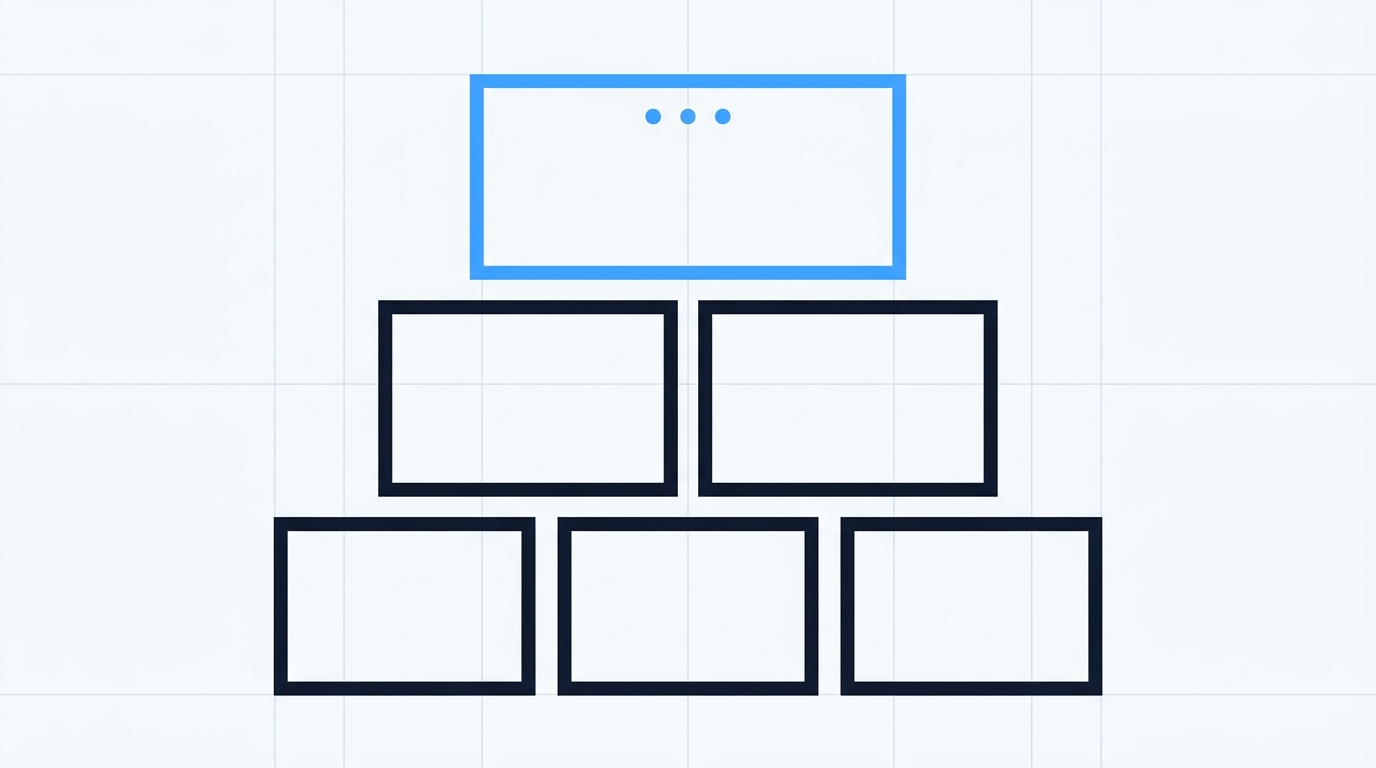
Sort topics into three buckets:
- Must-know — definitions, formulas, or processes that appear on every past assessment
- Should-know — concepts from homework or secondary readings
- Nice-to-know — enrichment that helps understanding but rarely decides grades
Write a one-page outline from memory after a quick skim. Gaps you cannot fill are your first study targets—not sections that already feel comfortable to read.
Ask your instructor or TA one specific question if scope is ambiguous: "Will Chapter 9 problem types appear in the same format as Homework 6?" Clarity here saves hours of wrong emphasis.
Step 2: Build a Calendar Backward From Exam Day
Count backward and block time in layers:
- Content pass — understand each must-know topic once, in your own words
- Retrieval pass — flashcards, closed-book summaries, explain-backs
- Integration pass — mixed problem sets and timed sections
- Light review — error log, must-know list, sleep
The common mistake: 80% of time on step 1, almost none on step 3. Exams blend topics; mixed practice reveals whether you can apply ideas, not just recognize them while reading.
For blocking time, a calendar app handles deadlines; retrieval needs repeating tasks tied to weak topics. Study planner apps compares planners that sync with actual review work versus color-coded calendars you never reopen.
Step 3: Retrieval Beats Rereading
Active recall means testing yourself before you feel ready. Effective formats:
- Cover the page; write everything you remember about a concept
- Answer practice questions without notes
- Teach the idea aloud in two minutes or less
- Use flashcards that require production, not yes/no recognition
Rereading feels productive because text becomes familiar. Familiarity is not mastery. Why active recall matters goes deeper on the mechanism; the habit to install is generate first, peek second.
If your materials are PDFs or lecture notes, Studeum can turn them into flashcards and quizzes grounded in your files—so your first retrieval session uses your vocabulary, not a generic deck. See the AI quiz generator from PDF workflow for closed-book checks. Limitation: tools accelerate card creation; they do not choose what your instructor will emphasize—you still curate priorities from the syllabus.
Step 4: Space Reviews Across Days
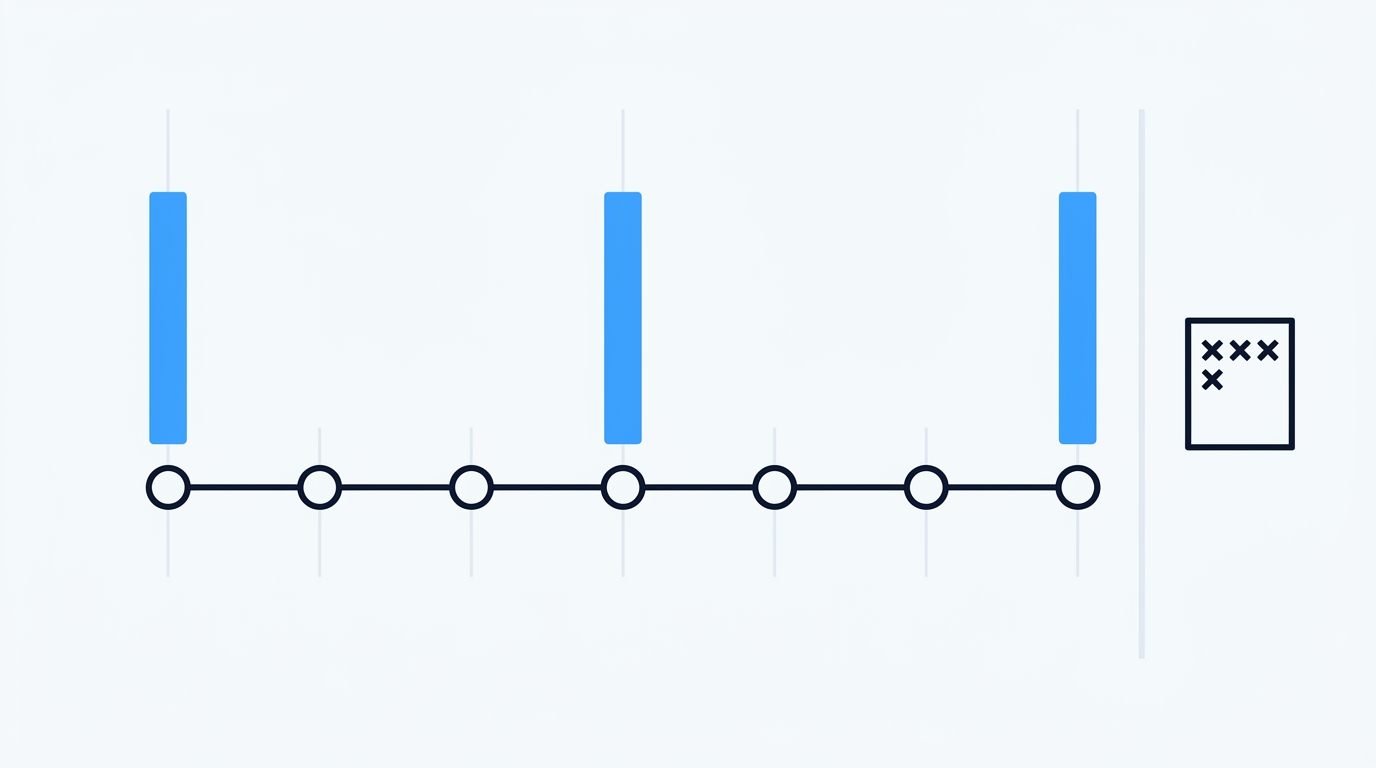
Cramming can boost short-term recognition; spacing builds stable memory. After each study block, schedule a short review 24–48 hours later. Ten focused minutes beats an unfocused hour.
Pair spacing with your error log: every missed question gets a line describing what you confused and where the correct idea lives in your notes. Revisit the log before the next session.
For long-interval card review, dedicated SRS apps excel once cards exist. Spaced repetition apps compares scheduling versus authoring—exam performance usually depends on both. Best frequency for studying offers weekly rhythm templates if you tend to cram by default.
Step 5: Timed Practice Under Exam Conditions
One timed session per week changes how you allocate attention under pressure. Match format when you can: multiple choice vs short answer vs multi-step problems. Put phones away, use only allowed materials, stop when time is up.
Grade honestly. Partial credit on practice is fine; pretending you "would have known it" is not. Discover types of mistakes—misread prompts, skipped steps, terminology slips—so you fix process, not just content.
If past papers exist, treat the first attempt as diagnostic, not scorekeeping. Second attempt a few days later, after error-log review, shows whether spacing is working.
Step 6: Protect Sleep and Recovery
Sleep consolidates memory; exhaustion shrinks working memory and raises careless errors. Treat sleep as part of the study plan. On exam eve, favor light review of your error log and must-know list over new content.
Movement helps: a short walk between blocks resets attention better than scrolling. Pomodoro study technique can structure focus blocks if unstructured marathons dissolve into distraction.
Weekly Schedule Table (Two-Week Exam Window)
Adjust dates to your calendar; keep the activity types stable.
| Day | Focus (60–90 min total) | Retrieval task | Timed element | |-----|---------------------------|----------------|---------------| | Day 1 (14 days out) | Map must-know list from syllabus + past work | Closed-book outline of Unit A | None | | Day 2 | Content pass Unit A | Flashcards or quiz on Unit A | — | | Day 3 | Content pass Unit B | Closed-book outline Unit B | — | | Day 4 | Mixed review A + B | Error log from Days 1–3 | 15-min mixed quiz | | Day 5 | Content pass Unit C | Teach-aloud weakest topic from log | — | | Day 6 | Spaced revisit A (24–48 hr gap) | Cards/quiz on missed items only | — | | Day 7 | Rest or light error-log skim | 10-min recall only | — | | Day 8 (7 days out) | Integration: mixed problem set | Full error-log update | 25-min timed section | | Day 9 | Should-know topics | Quiz without notes | — | | Day 10 | Spaced revisit B + C | Interleaved cards | 15-min timed mix | | Day 11 | Second full timed simulation | Grade + log pattern errors | Match exam length scaled down | | Day 12 | Fix top 3 error-log themes | Targeted quiz on those only | — | | Day 13 | Light must-know sheet | Oral explain-backs | — | | Day 14 (eve) | Walk-through formulas/terms | No new content | Early sleep |
If you have only one week, compress: keep Days 8, 11, and 12 timed/error-log DNA; cut nice-to-know first, not retrieval.
Tool Decision Table (Optional Layer)
Tools should shorten authoring and checking, not replace thinking.
| Need | Lean toward | |------|-------------| | Turn readings into cards and quizzes quickly | Studeum, AI flashcard generator from PDF | | Long-interval flashcard spacing | Anki or similar SRS (Studeum vs Anki) | | Shared class decks | Quizlet (Studeum vs Quizlet) | | Open-ended explain without your files | Generic chat—verify against syllabus (Studeum vs ChatGPT) | | Dense reading first pass | AI summarizer—follow with recall, not another read |
Principle: generate less, verify more. A small honest quiz beats a large passive summary.
Subject-Specific Adjustments
STEM problem courses: Weight integration passes heavily. Must-know includes common setup patterns, not just formulas. Do problems on paper with the same tools allowed on the exam.
Essay and humanities exams: Must-know includes argument templates, key quotes or cases, and how to apply them—not just definitions. Practice outlines under time, not full essays every night.
Cumulative finals: Start with a diagnostic across all units early; error log by theme (e.g., "always confuse these two theories") rather than by chapter only.
Open-book exams: Retrieval still matters—you need to find and apply fast. Timed practice with allowed materials prevents tab-hunting panic.
What This Plan Cannot Do
No study guide guarantees a grade. If the instructor tests application you never practiced, or you skip timed simulation until the last night, retrieval habits only help so much. This plan reduces those self-inflicted gaps; it does not replace going to class or doing assigned work.
Do not confuse busyness with progress. Highlighting, reorganizing Notion, and generating flashcards you never review are comfort activities. Measure sessions by attempts under pressure, not hours logged.
If you want structured guides before quizzing, effective strategies for creating study guides complements this plan—build the guide once, then spend most of your time retrieving from it rather than rereading it.
Start Today
Pick the unit you have been avoiding. Spend twenty minutes on closed-book recall, log what failed, and schedule tomorrow's review before you close the laptop. If building questions from notes is the bottleneck, try Studeum on one upload and run a short quiz—then return to paper for worked problems your exam requires. Check pricing if you are weighing tools for multiple courses.
Exams reward what you can produce under constraints. Start producing early, spaced, and timed—and fix what the error log shows, not what feels easy to reread.
Last updated: July 16, 2026.