Pomodoro Study Technique: 25-Minute Focus Blocks That Fit Real Exam Prep
The Pomodoro study technique breaks cramming into 25-minute focus blocks and short breaks—learn the rhythm, adapt it for exams, and pair it with active recall.
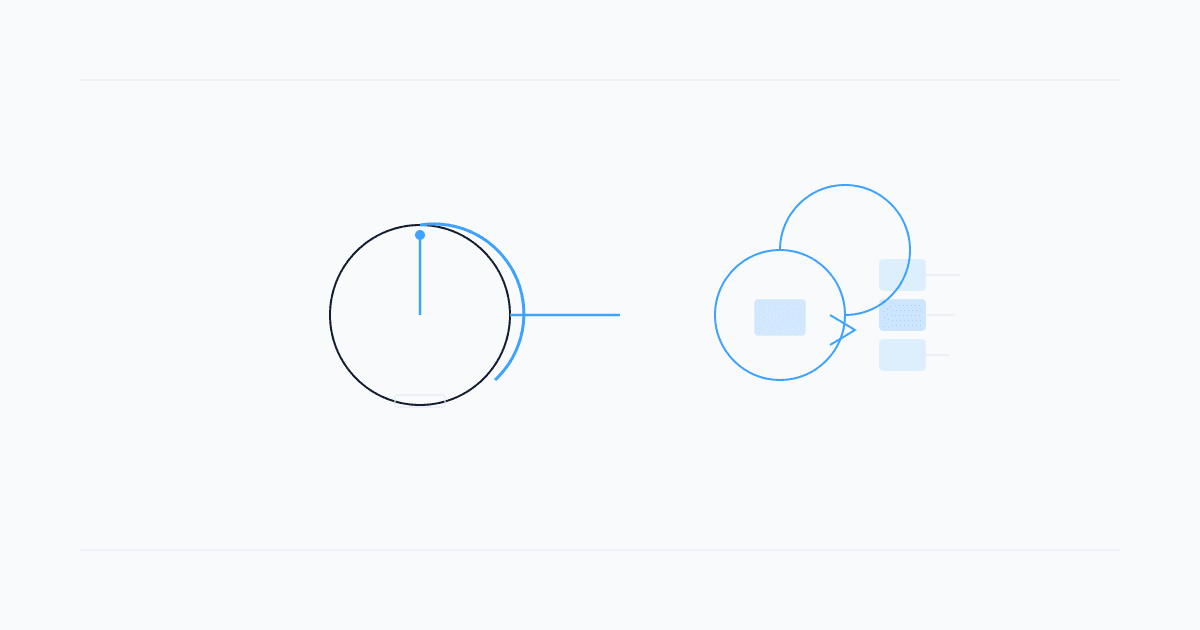
The pomodoro study technique turns vague "study later" plans into concrete sprints: work with full attention for twenty-five minutes, pause for five, repeat. Short bursts of focus beat hour-long sessions where half the time disappears to your phone.
Francesco Cirillo named the method after a tomato-shaped kitchen timer. Any phone timer works. What matters is the contract: during a pomodoro, you do one defined task. When the bell rings, you stop—even mid-sentence—and take a real break.
How the Pomodoro Study Technique Works
The classic cycle has four parts:
- Focus block (25 minutes) — one task only: read one section, solve three problems, or run a flashcard deck
- Short break (5 minutes) — stand, stretch, water; no "quick" scroll that becomes twenty minutes
- Repeat — after four focus blocks, take a long break (15–30 minutes)
- Reset — start the next round with a fresh task name, not "keep studying"
That structure is the whole pomodoro technique for studying. The magic is not the number twenty-five—it is the forced stop. Breaks prevent the slow drift where you feel busy but retain nothing.
Adapting Pomodoro for Different Courses
Twenty-five minutes is a default, not a law. Adjust block length to the task:
- Problem-heavy classes — try 35–45 minute blocks for multi-step work; keep breaks strict
- Reading-heavy seminars — stay at 25 minutes or drop to 20 when theory is dense
- Language or memorization — 20-minute blocks; swap flashcard decks every round
- Exam week — shorten blocks when fatigue is high; protect sleep over extra pomodoros
Write the task before you start. "Study biology" is too vague; "review mitosis flashcards, pass two only" is a pomodoro you can finish.
Pairing Pomodoro With Active Recall
Pomodoro handles when you study; active recall handles whether it sticks. The best sessions end with retrieval, not rereading.
A strong loop:
- Pomodoro 1 — read one assigned chunk; jot three questions you could not answer from memory
- Short break — move, no notes
- Pomodoro 2 — answer those questions closed-book or run flashcards on the same material
- Short break
- Pomodoro 3 — mixed quiz or explain the topic aloud in two minutes
Studeum fits the middle steps when materials are PDFs or slides: upload a unit, generate flashcards or a quiz via the AI quiz generator from PDF, and run one pomodoro per deck. You spend the focus block testing yourself, not formatting cards.
For open chat versus study-grounded tools during review, see Studeum vs ChatGPT—the timer stays the same; what changes is whether your drill matches your syllabus.
Common Pomodoro Mistakes
- Skipping breaks — back-to-back blocks mimic cramming; fatigue shows up tomorrow
- Multitasking inside a block — one task per timer
- No task written down — you default to passive rereading
- Punishing short blocks — a fifteen-minute pomodoro on a hard day beats zero
If you use a pomodoro timer study app, disable non-essential notifications during focus windows.
When Pomodoro Is Not Enough
Timers do not replace sleep, office hours, or practice exams. When one problem needs seventy uninterrupted minutes, use a double block with one planned break.
Use pomodoros to start hard work and close sessions with recall. Check Studeum pricing for quizzes and flashcards from uploads without another workflow.
Start With One Pomodoro Today
Pick the assignment you have been avoiding. Set twenty-five minutes, name one output, and work until the timer stops. Take five minutes away from the desk, then decide whether the next block is more reading or flashcards on what you just covered.
Try Studeum on one chapter if card creation eats your focus time. More study rhythms live on the Studeum blog—one timer, one task, one honest break at a time.
Last updated: July 13, 2026.