Best Spaced Repetition Apps in 2026: Flashcards That Actually Stick
Compare the best spaced repetition apps in 2026—from Anki and Quizlet to AI flashcard generators—and learn how to build a review schedule that survives exam season.
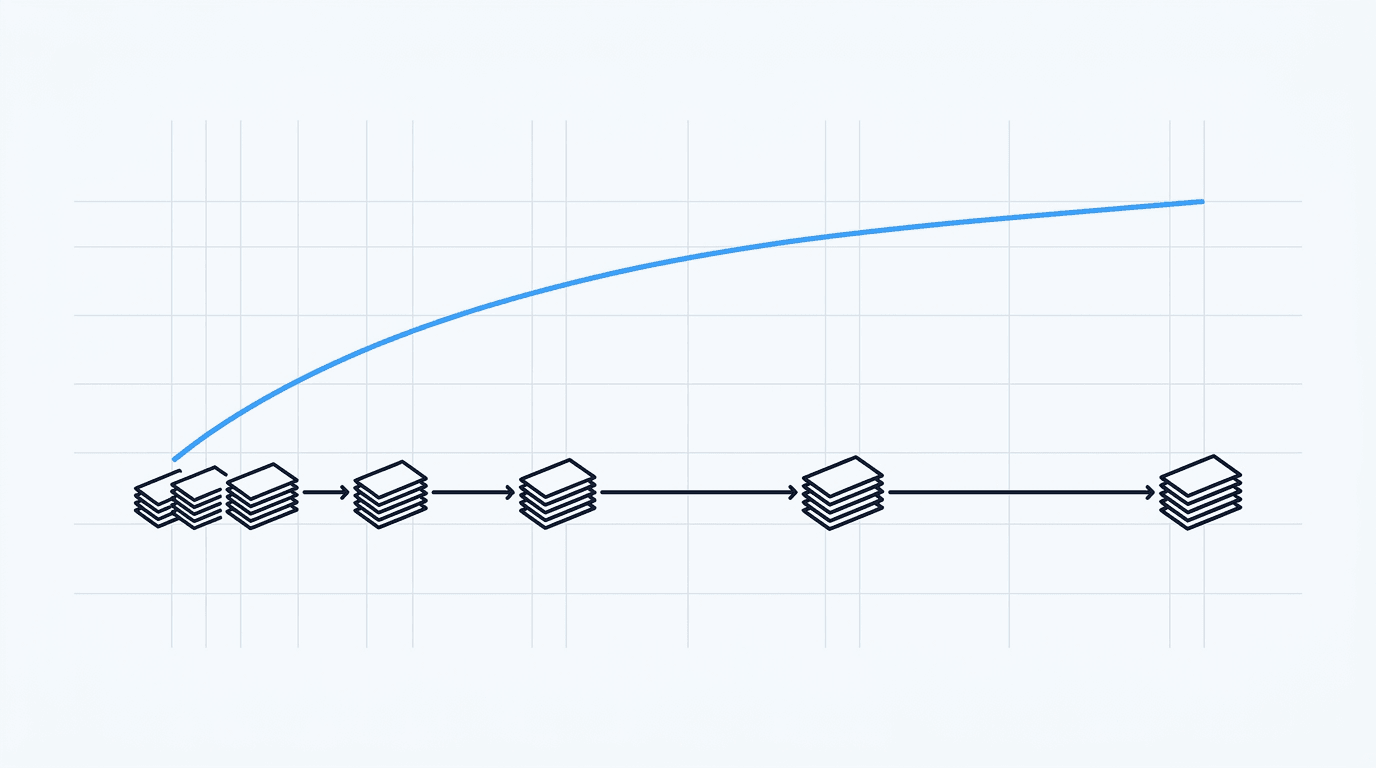
Spaced repetition is one of the few study techniques with decades of cognitive-science backing: you review material at increasing intervals so that effort concentrates where forgetting is about to happen. The problem is not whether spacing works—it is whether your spaced repetition apps fit how you actually study. A beautiful scheduler is useless if card creation takes longer than reading the chapter, or if the deck drifts away from what your professor tests.
When evaluating spaced repetition apps, separate three layers: scheduling (when cards return), authoring (how fast you get cards from real materials), and verification (whether you can tell if you truly know the material). Most marketing highlights scheduling alone. Exam performance usually depends on the other two.
What Spaced Repetition Actually Optimizes
Spaced repetition systems (SRS) track each item's difficulty and schedule the next review just before you would forget it. Done well, this compresses hundreds of hours of blind rereading into shorter, targeted sessions. Done poorly, you end up with thousands of low-quality cards and a review queue that feels like a second job.
The habit that makes SRS work is daily minimums: ten honest minutes beats a heroic Sunday session every time. Apps that surface streaks, session timers, or "cards due today" counters help—if the cards themselves are worth reviewing.
Anki — Maximum Control, Maximum Setup Cost
Anki remains the reference implementation for power users. Transparent intervals, add-ons, image occlusion, and community decks make it unbeatable for multi-year retention (languages, medicine, law). The tradeoff is friction: you are often the editor, tagger, and quality-control department.
If your bottleneck is not scheduling but turning this week's PDF into cards, pair Anki with a faster authoring layer rather than transcribing every definition by hand.
Quizlet — Low Friction, Lighter Scheduling
Quizlet wins when your class already shares decks and you need adoption in minutes, not days. Its spaced modes are less transparent than Anki's, but for many semester courses the limiting factor is getting everyone on the same deck—not squeezing the last 3% from an interval algorithm.
Use Quizlet when social remixing matters; verify critical cards against your syllabus because popular decks can contain confident errors.
Brainscape — Confidence-Weighted Intervals
Brainscape asks how well you knew each card and adjusts intervals accordingly. It sits between consumer polish and serious repetition—useful if you want structure without maintaining an add-on stack.
Studeum — Source-First Flashcards and Quizzes
For file-based courses, the hardest part of spaced repetition is not the timer—it is aligning cards with your readings. Studeum generates flashcards and quizzes directly from your uploads (PDFs, notes, slides), so your first pass is already anchored to the material on the exam.
A practical hybrid: use Studeum after each lecture to extract cards and run a quiz diagnostic, then migrate persistent facts into Anki or your preferred SRS for long-interval spacing. You keep speed at authoring time and rigor at review time. Explore the AI flashcard generator from PDF workflow if cards are your primary output.
Knowt and RemNote — Notes-First and Network Effects
Knowt shines when classmates co-build decks; RemNote appeals if you want notes and cards in one graph-like workspace. Both can work—audit card quality ruthlessly in advanced courses where subtle distinctions decide grades.
Building a Weekly Rhythm That Sticks
- After each reading: generate or add cards tied to that file only—scope discipline prevents deck bloat.
- Next morning: clear due reviews before new content; mixing old and new items is fine once daily minimums are met.
- Before exams: add closed-book quizzes (not just flip cards) so you practice judgment, not recognition. Studeum's quiz generator complements flip-based SRS.
- After grades: archive or suspend low-yield cards; carry forward only what the next course needs.
Common Failure Modes
- Card explosion: every highlighted line becomes a card; reviews become unfinishable.
- Recognition illusion: you remember the back of the card in context but cannot produce the idea on an exam.
- Deck drift: community or generic decks diverge from your instructor's emphasis.
- All scheduling, no sleep: no app compensates for chronic sleep debt.
Fix these with shorter prompts, mixed quiz formats, source-aligned authoring, and protected sleep blocks—not by switching apps every week.
Choosing Your Stack for 2026
| Need | Lean toward | |------|-------------| | Multi-year retention, image-heavy facts | Anki | | Shared class decks, fast onboarding | Quizlet | | PDFs and slides as the source of truth | Studeum | | Confidence ratings without Anki complexity | Brainscape |
You do not owe loyalty to one icon on your home screen. You owe yourself evidence: missed quiz items, faster homework, calmer exam mornings.
Start This Week
Pick one chapter you have been avoiding. Upload it to Studeum, run a ten-minute quiz, and note what you could not explain aloud. That gap list is more valuable than any generic "top 500 terms" deck. Then schedule tomorrow's review before you close the laptop.
Last updated: July 7, 2026.