Study Guide Maker for Students: Turn Lecture Notes and PDFs Into Exam-Ready Outlines
Create personalized study guides from your lecture notes and PDFs effortlessly with Studeum's study guide maker.
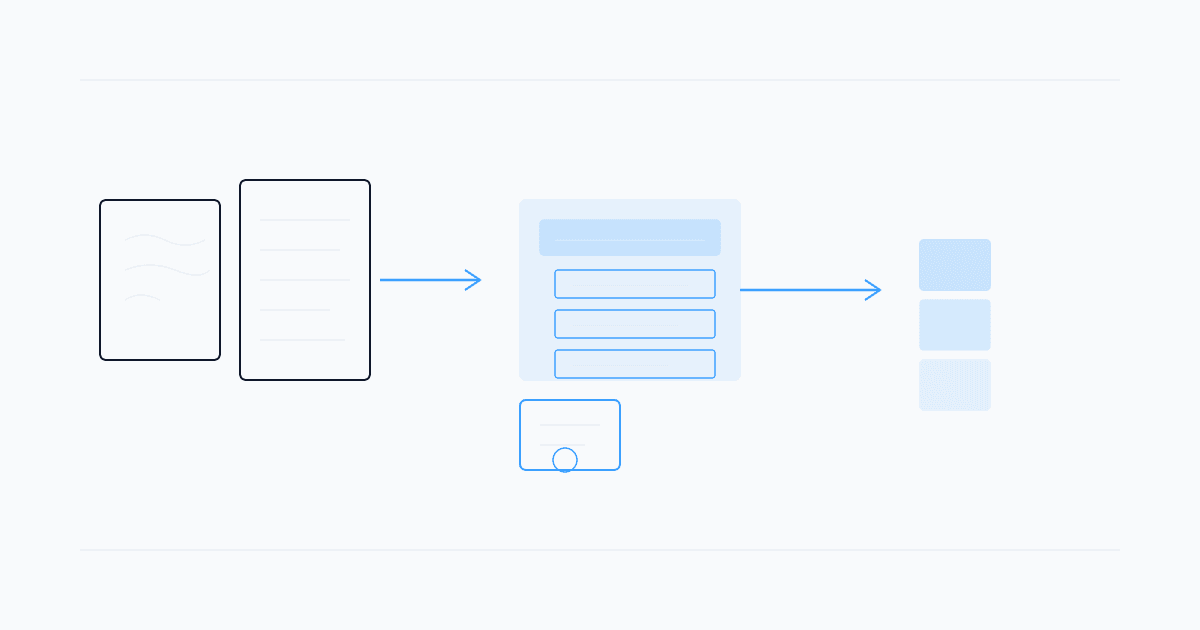
A study guide maker can turn a scattered lecture PDF into a structured outline in minutes—but the outline only helps on exam day when you treat it as a map for recall, not a substitute for testing yourself.
You probably searched for one after opening unread slides and realizing the midterm covers every unit you flagged "review later." The trap is saving a polished guide and never closing the file to prove you remember the headings.
This guide explains what a study guide maker does, how to pick one grounded in your materials, and how to chain guides into flashcards and quizzes that stick.
What a Study Guide Maker Does for Coursework
A study guide maker reads your source material—PDFs, slide exports, typed notes—and returns an organized outline: section headings, key terms, and bullet summaries tied to the upload.
Unlike a bare summary, a good guide preserves structure: how concepts nest and where your professor spent extra slide time.
Common uses:
- First pass on dense readings — map the chapter before deep reading
- Pre-exam orientation — see all units before drilling weak spots
- Study group prep — share an outline without retyping fifty pages
Guides organize information. They do not replace retrieval practice—proving you can explain ideas without the screen open.
Study Guides vs Passive Highlighting
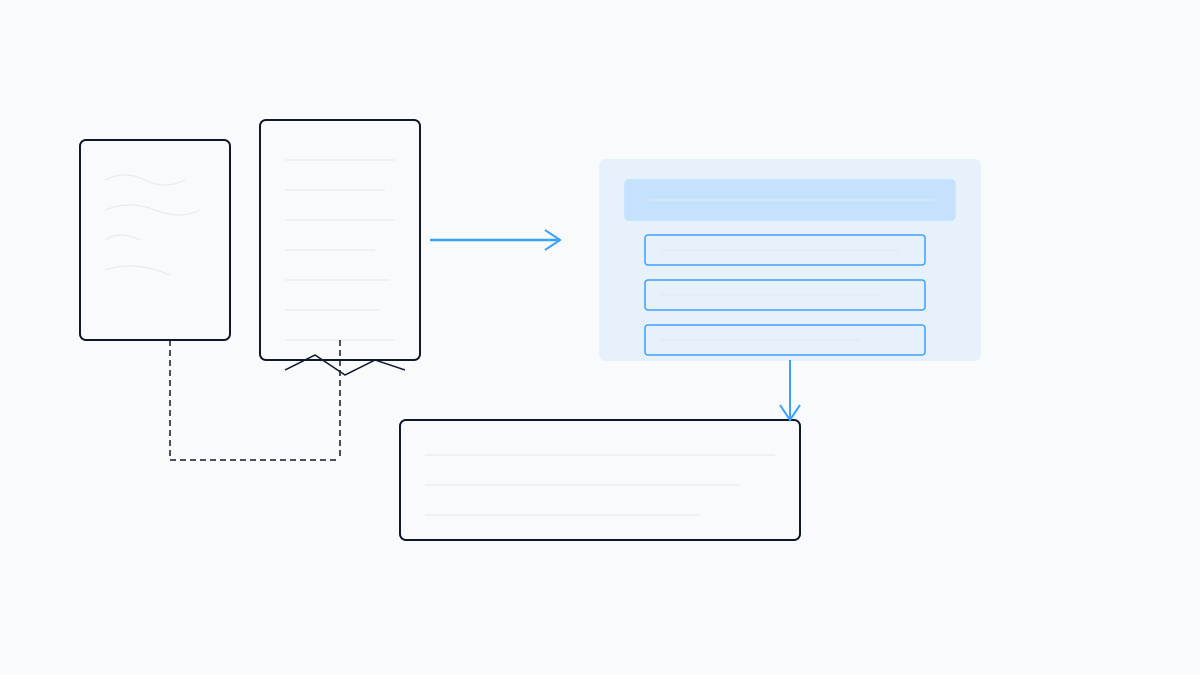
Color-coded PDFs feel productive because the margins fill up. On exam day, you need to produce answers, not recognize them in a formatted list.
A better workflow:
- Generate one unit — upload a chapter or lecture file
- Edit the outline — delete fluff; star high-yield headings
- Close the guide — write five section titles from memory
- Drill — flashcards or a timed quiz on the same material
Studeum is built around your uploads: create a personalized guide, then jump into flashcards via the AI flashcard generator from PDF or a closed-book check with the AI quiz generator from PDF.
For open chat versus study-grounded tools, see Studeum vs ChatGPT—verify every definition against your lecture notes.
Choosing a Study Guide Maker: What to Look For
Not every ai study guide maker is tuned for coursework. Prioritize tools that ground output in your file, preserve heading hierarchy, and link guides to flashcards or quizzes. Chunk uploads by unit.
Pitfalls That Waste Guide-Making Time
- Treating the guide as finished — outlines that never become questions
- Over-trusting confident tone — automated guides can omit exceptions your professor tests
- Skipping worked examples — problem steps rarely survive aggressive compression
- Never editing AI output — wrong definitions stick if you do not fix them
If a guide introduces terms your slides never used, check the source page before you memorize them.
Turn Guides Into Exam-Ready Practice
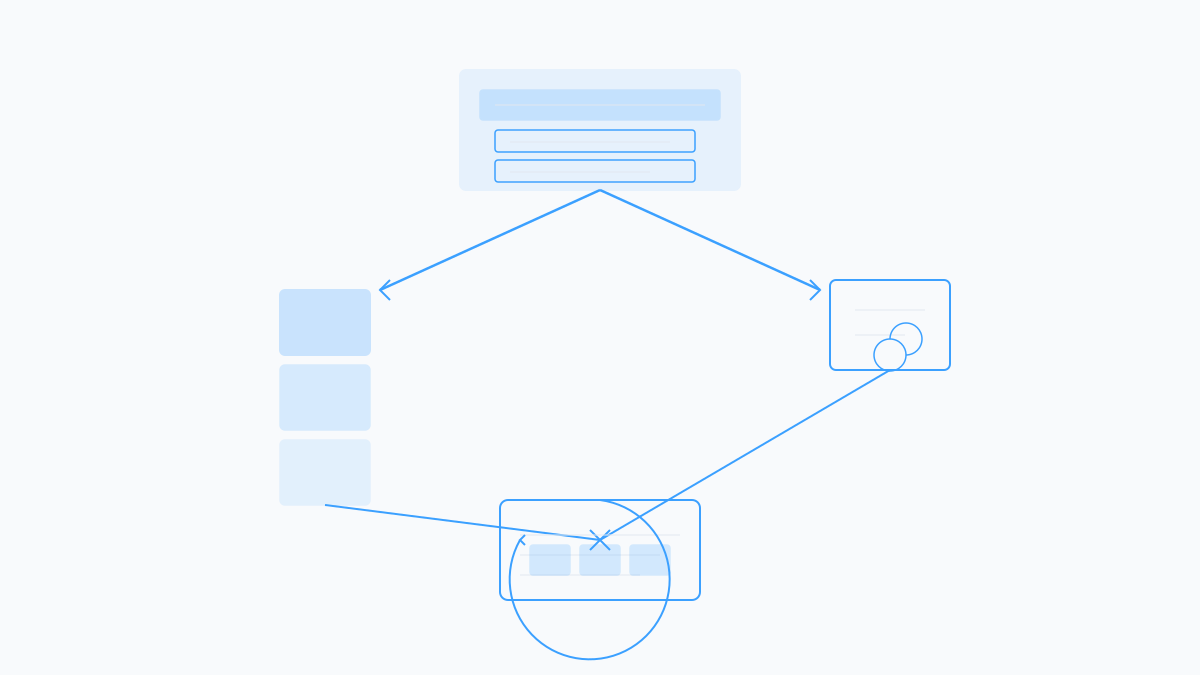
Once you have a solid outline, spend twenty minutes on output:
- Flashcards — one term per card; include the exception your instructor emphasized
- Self-quiz — recall and short application questions from starred headings
- Teach-back — explain two sections aloud without the file
Studeum keeps that chain in one place: upload, review the guide, trim weak cards, and run a quiz. Check pricing for flashcards and quizzes from PDFs without juggling a separate outline tool.
When to Use a Guide Maker—and When to Write by Hand
Automated guides shine when readings are long or you need orientation before office hours. Write manually when the exam is proof-based. Tutors still beat any study guide generator for "why does this step work?" moments.
Start With One Chapter Today
Pick the PDF your next quiz will pull from. Run one chapter through a study guide maker, list five headings you could not explain from memory, then try it free to build a ten-card deck from the same upload.
More student-focused workflows live on the blog. Organized notes save reading time—closed-book practice saves exam time.
Last updated: July 16, 2026.