Top Study Apps for Effective Learning
Discover the top study apps to enhance effective learning. From online math tutoring to productivity boosters, conquer academic challenges with ease.
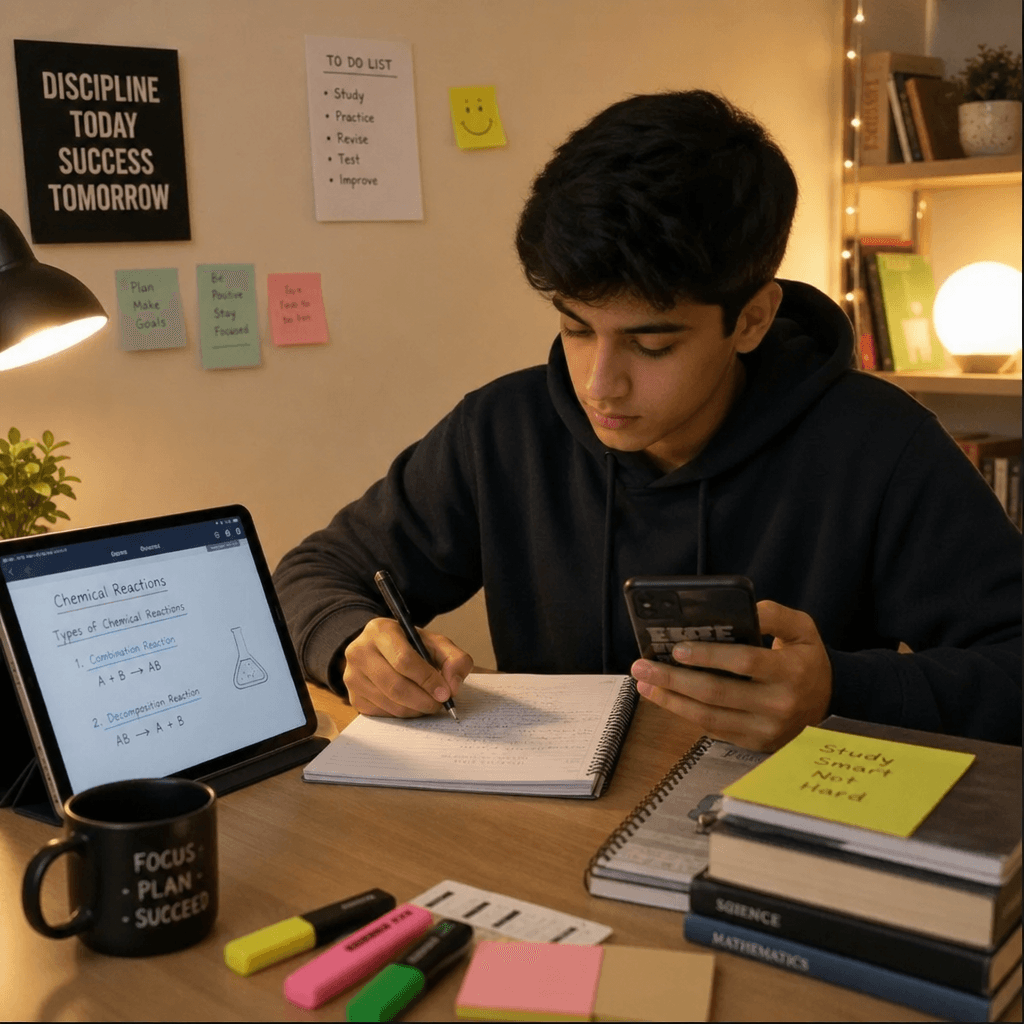
Navigating the modern academic landscape requires more than just highlighters, heavy textbooks, and a steady supply of caffeine. Today’s students are managing heavier workloads, tighter schedules, and constant digital distractions. Fortunately, we live in an era where technology can be leveraged to streamline the learning process. By integrating the right study apps into your daily routine, you can transform overwhelming semesters into manageable, highly productive experiences.
Whether you are trying to master complex calculus, memorize hundreds of vocabulary words, or simply figure out how to structure your week, building a digital toolkit is essential. Let’s explore the top productivity tools for academic success and how you can use them to study smarter, not harder.
Conquering the Chaos: Planning and Scheduling
The foundation of effective learning is organization. Before you can absorb complex material, you need to know exactly what you need to do and when.
For many students, syllabus week brings a wave of anxiety. Figuring out how to organize semester schedule digitally is the first step toward academic peace of mind. Apps like Google Calendar, Apple Calendar, or specialized student planners like Shovel allow you to time-block your classes, study sessions, and extracurricular activities. By visualizing your week, you prevent last-minute cramming and missed deadlines.
However, planning goes beyond just marking exam dates. Daily routines dictate long-term success. Integrating mobile planners for habit tracking—such as Habitica or TickTick—can help you build sustainable study routines. These apps allow you to track daily reading habits, ensure you are reviewing notes consistently, and even gamify your productivity by rewarding you for staying on track.
Master Your Notes: Knowledge Management
Rethink how you take notes. Instead of disorganized Word documents or scattered pieces of paper, modern students rely on cloud-based note organization systems like Evernote, Microsoft OneNote, or Google Keep. These platforms ensure that your notes sync across your phone, tablet, and laptop, meaning you can study anywhere.
For power users, note-taking has evolved into building a digital second brain—a centralized digital repository where all your class notes, research, and personal ideas are connected. If you want to achieve this, you will likely encounter the popular debate of Notion vs Obsidian for students.
- Notion is incredible for students who love structure, databases, and highly visual dashboards. You can build customized wikis for your courses and track assignments seamlessly.
- Obsidian, on the other hand, operates completely offline and focuses on bidirectional linking. It mimics how the human brain works, allowing you to connect a concept from your psychology class directly to a theory in your biology notes.
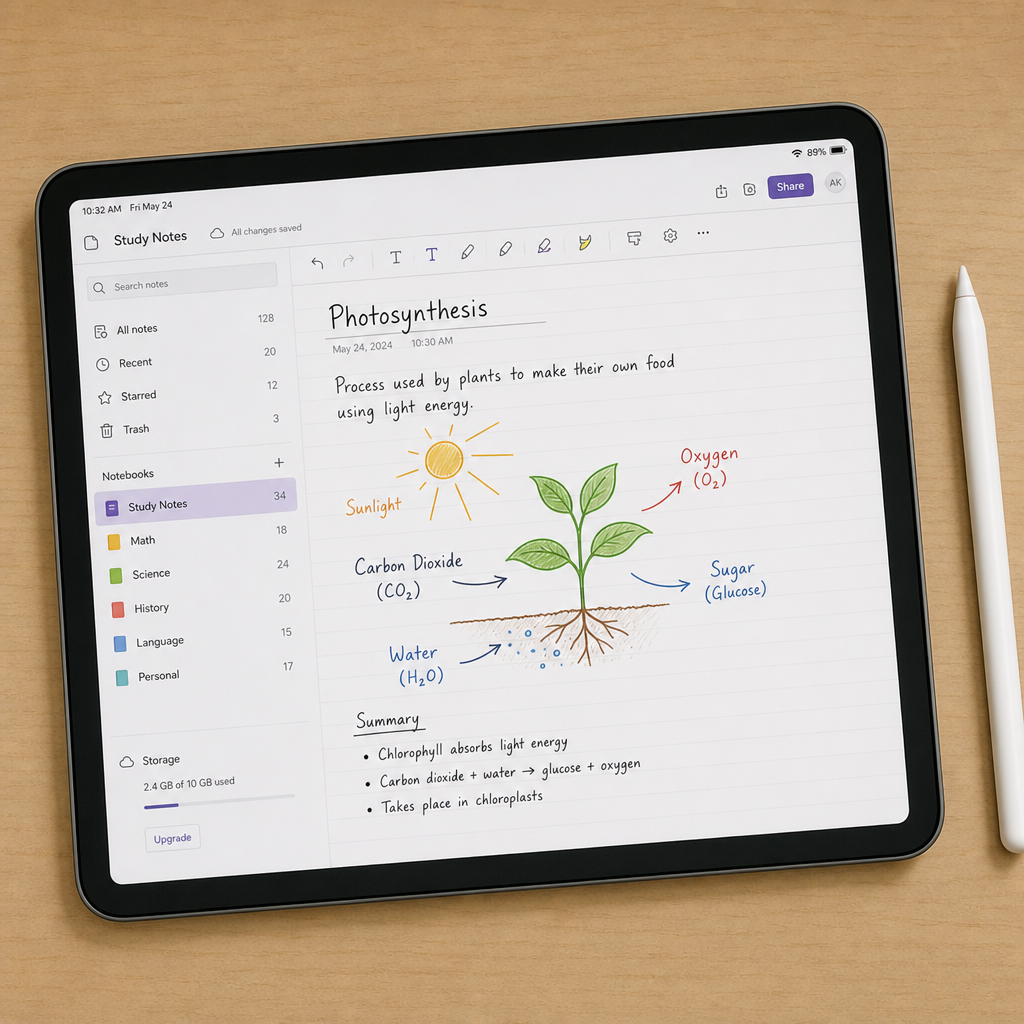
If you prefer the tactile feel of writing but want digital benefits, apps like GoodNotes and Notability on the iPad are unmatched. Their advanced handwriting to text conversion features allow you to scrawl notes during a fast-paced lecture and later search through your handwritten text just as easily as typed font.
Memory Mastery: Flashcards and Spaced Repetition
Reading and highlighting textbook chapters gives a false illusion of competence. To truly cement information into your long-term memory, you must practice active recall.
Using digital flashcards for active recall forces your brain to retrieve information, strengthening neural pathways. But not all flashcard apps are created equal. To maximize efficiency, you need spaced repetition system software (SRS). Apps like Anki or RemNote use algorithmic spacing to show you flashcards right at the exact moment you are about to forget them.
If you get a card wrong, you will see it again in a few minutes. If you get it right, you might not see it for a few days, then a week, then a month. Utilizing this kind of educational software for exam preparation drastically cuts down total study time while yielding significantly higher test scores, especially for content-heavy subjects like biology, law, or foreign languages.
Deep Work: Focus and Time Management
Even the best study systems fail if you cannot focus. In a world engineered to steal your attention, learning to minimize smartphone distractions while learning is a superpower.
Apps like Forest turn focus into a game: you plant a virtual tree when you start studying. If you leave the app to check social media, your tree dies. App blockers like Freedom or Cold Turkey take it a step further by forcibly blocking distracting websites across all your devices for a set duration.
To structure these focused study blocks, many students turn to the Pomodoro Technique. If you are wondering what are the best pomodoro timers, apps like Focus Keeper, Flora, or TomatoTimer are highly recommended. By breaking your study time into 25-minute intervals of deep work followed by 5-minute breaks, you maintain high cognitive function without burning out.

Cracking the Numbers: Specialized Math Support
Let’s be honest: math requires a completely different approach to studying than history or literature. Reading a math textbook rarely translates into problem-solving ability. If you have ever stared at a complex algebra equation at midnight and thought, "Somebody please help me in maths," you are far from alone.
While apps like Photomath or Microsoft Math Solver are fantastic for checking your work or viewing step-by-step solutions to specific equations, they don't replace conceptual understanding. For that, you need dedicated instruction.
This is where exploring an online math program becomes invaluable. Platforms like Khan Academy or Brilliant offer interactive, self-paced modules that visually explain difficult concepts. However, if you are struggling to keep up with your syllabus, you might need more personalized intervention.
Enrolling in specialized online math tutoring can bridge the gap between confusion and mastery. Engaging in live one-on-one mathematics tutoring allows you to ask questions in real-time, clarify doubts, and tackle your specific weaknesses. Whether you need ongoing math tutoring to get through college calculus or are comparing various online math programs to supplement your high school curriculum, having a human expert guide you digitally is often the most effective way to overcome numerical anxiety.
Smarter Reading and Research
Upper-level courses often drown students in PDFs, academic journals, and lengthy textbook chapters. Processing this amount of text manually is exhausting.
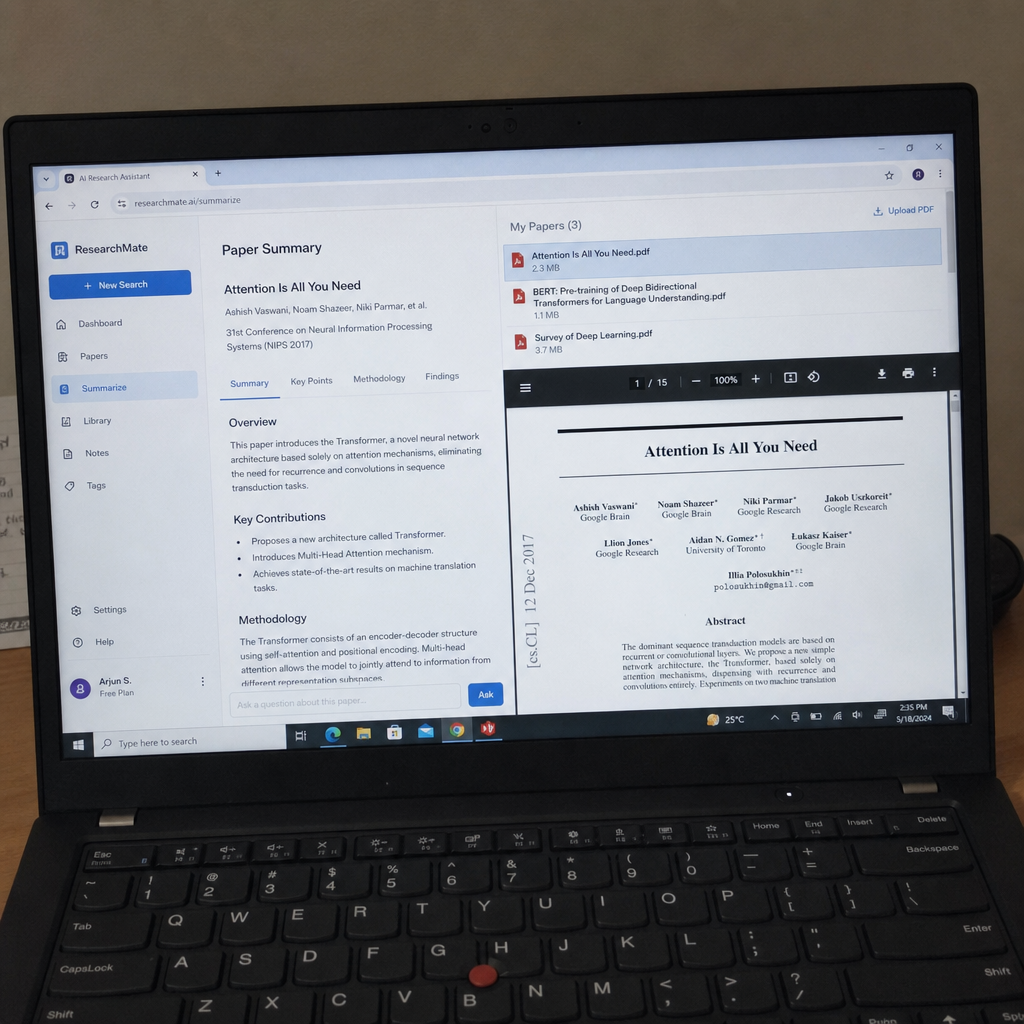
Fortunately, new AI technologies are revolutionizing the research process. Utilizing tools with ai-driven summarization for textbooks and research papers—like ChatPDF or Scholarcy—can help you quickly extract key arguments, methodologies, and conclusions from a 40-page document in minutes. While you still need to read the material critically, these tools give you a foundational understanding before you dive into the dense academic jargon.
When it comes time to write your research papers, formatting bibliographies is the last thing you want to spend hours doing. Learning how to automate citation management is a rite of passage for successful college students. Study apps like Zotero or Mendeley operate as browser extensions. With a single click, you can save a journal article, store its metadata, and automatically generate perfectly formatted APA, MLA, or Chicago citations directly into your Microsoft Word or Google Docs file.
Better Together: Group Study and Collaboration
Not all studying is a solo endeavor. Group projects and study groups require seamless communication to ensure everyone pulls their weight.
Instead of relying on messy text threads, utilizing collaborative platforms for group study ensures accountability and organization. Platforms like Microsoft Teams, Slack, or Discord allow students to create dedicated channels for different classes, share files easily, and hop into quick voice calls.
For visual collaboration, digital whiteboards like Miro or Google Jamboard are perfect. They allow multiple users to map out project timelines, brainstorm essay topics, or solve complex engineering problems together in real-time, no matter where everyone is physically located.
Final Thoughts
Technology is a double-edged sword. While our devices can be incredible sources of distraction, they also house the most powerful educational tools ever created. The goal is not to download every single app mentioned above—doing so will only lead to app fatigue.
Instead, identify the biggest friction point in your current study routine. Are you struggling to remember definitions? Download a spaced repetition app. Are you easily distracted? Set up a Pomodoro timer and a website blocker. Do you need a conceptual breakthrough in calculus? Look into reliable online math tutoring.
By thoughtfully selecting the right study apps, you can take control of your academic journey, reduce exam anxiety, and unlock a more effective, enjoyable way to learn.
Last updated: July 6, 2026.