TurboLearn Alternative in 2026: Summaries Plus Real Quiz Practice
Looking for a TurboLearn alternative? Compare AI study tools that go beyond quick summaries—PDF-first flashcards, quizzes, and retrieval checks from your own files.
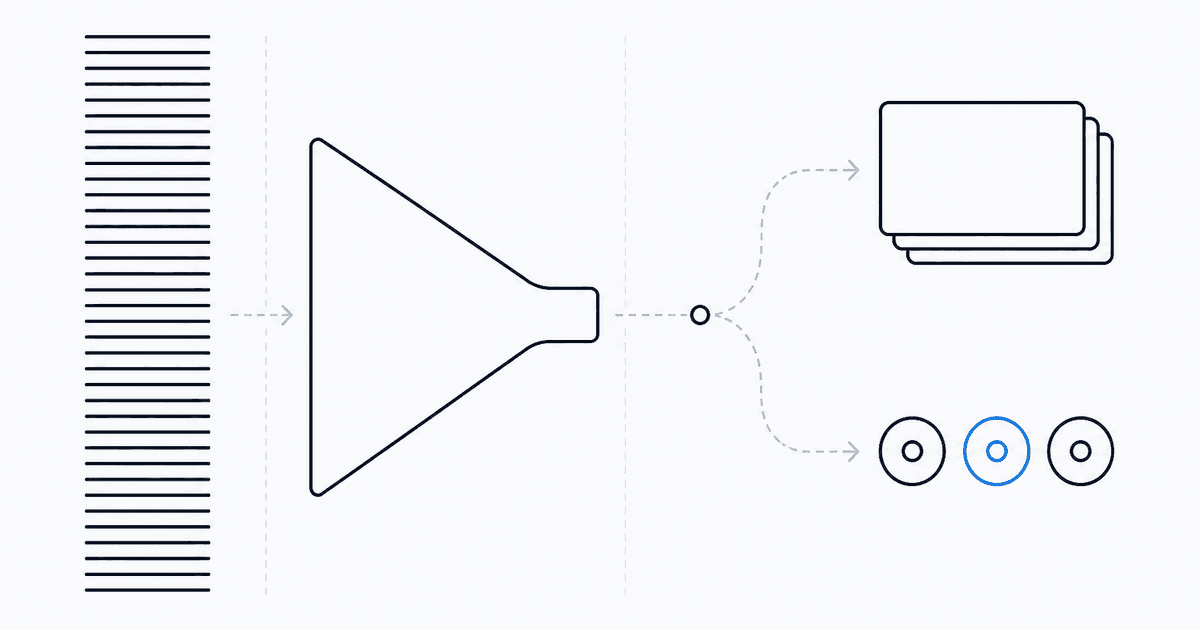
Direct answer: The best TurboLearn alternative is not another summary bot—it is a tool that turns your PDFs and notes into flashcards and quizzes you can fail safely before the exam. TurboLearn-style apps excel at compressing lectures into readable overviews; exams punish students who stop there.
If you searched TurboLearn alternative because polished summaries feel like progress but homework still stumps you, add a retrieval layer: upload the same chapter, generate closed-book questions, and log misses. Speed without verification is entertainment; verification without rest is burnout.
Studeum — Summarize and Verify Using Your Own Files
Studeum integrates guides, flashcards, and assessments directly with your source materials, minimizing discrepancies that can occur when a summary tool and a separate quiz bank differ on key concepts.
NotebookLM — Exploratory Synthesis in Drive-Integrated Workflows
NotebookLM excels in allowing you to ask follow-up questions across a curated collection of documents, ideal for research browsing and sense-making. However, for daily exam preparation, it should be paired with a dedicated retrieval practice routine.
Knowt — Social Remixing with AI-Enhanced Study Flows
Knowt is beneficial when your study decks are communal within your program, facilitating faster remix cycles. Always verify critical details against authoritative sources.
Quizlet with AI Assists — Minimal Transition Effort
For those already using shared decks, Quizlet's lightweight AI features can enhance your study stack without requiring a shift in your social learning network.
Classic: Highlighter to Anki — Maximum Precision and Control
This method is slow and meticulous but remains unrivaled for long-term study plans where precise card creation is crucial.
TurboLearn Itself — Optimize Habits, Not Just Features
If TurboLearn fits your needs, enhance your study habits by scheduling immediate recall practice after reviewing each summary. Without this, any summarizer is merely a source of passive consumption.
Closing Workflow
Begin with any summarization tool for an initial pass, then dedicate twenty minutes to generating fresh questions on the same chapter—ideally using Studeum to ensure practice remains specific and relevant, avoiding generic trivia.
Generation is abundant; verification is rare. Select a study stack that makes discovering incorrect answers inexpensive early in the semester, rather than costly during exams.
Comparing Pricing and Commitment
Summarization tools often charge based on minutes, pages, or “credits.” Before committing to a semester plan on a promotional tier, estimate your typical weekly usage in these terms to avoid surprises later in the academic year.
Instructor Variability
Some instructors focus on lecture content, while others emphasize textbook details. Studeum is most effective when you upload materials that are directly related to exams, and calibrate your preparation using past papers or study guides if available.
Emotional Aspect of Feeling “Behind”
Speed tools can either alleviate or exacerbate anxiety, depending on whether they are used to replace critical thinking or to enhance thorough checks. If summaries replace active practice, anxiety shifts to just before grades are released. If summaries are followed by quizzes, anxiety is often reduced because evidence replaces hope.
Establishing a Personal Study Policy
Create a one-paragraph personal rule: after completing an AI summary, I always ______. Options include: answering ten retrieval questions, redrawing a diagram, or teaching a concept aloud. Consistent policies are more reliable than fluctuating moods.
Fair Collaboration with Classmates
When sharing AI-generated summaries, ensure everyone engages in individual retrieval. Study ethically: compare insights after individual attempts, to avoid collective false confidence. Tools like Studeum are most effective as personal practice tools, not as shared answer repositories.
Long-Term Knowledge Retention
For those interested in retaining knowledge beyond a single exam, maintain a simple review schedule even after grades are posted. Monthly ten-minute quizzes on core concepts are more effective than relearning from scratch before the next course.
The Meta Skill
Choosing study tools wisely is itself a skill—one that improves as you reflect on what strategies were effective each semester. Save a paragraph of notes at the end of each term: the tools you used, time spent, grade correlation, and emotional impact. Your future self will appreciate this reflection.
Competitive Programs and Comparison Pitfalls
Peers may boast about their study tools and hours of effort. Focus on your diagnostics—missed items and homework ease—rather than performative hardship shared online. Studeum can reduce preparation time; this is a benefit, not cheating, as long as integrity is maintained.
Summer Skills Maintenance
A three-month break can erode delicate skills. Plan for light weekly retrieval practice on core prerequisites to ensure a smooth start in the fall.
For Parents Reading This
Supporting your student often means protecting their study time rather than purchasing more subscriptions. Providing a quiet space, a reliable device, and focusing on incremental progress is more effective than another impulsive purchase.
Final Synthesis
Speed without verification is mere entertainment; verification without rest leads to burnout. Aim for quick orientation, thorough testing, and adequate rest—then iterate. This balanced approach withstands changes in syllabi that marketing cannot predict.
Graceful Degradation When Wi-Fi Fails
Download important materials, take screenshots of crucial summaries if allowed, and keep an offline PDF backup. Panic can lower your cognitive abilities; redundancy restores them.
Teaching Assistants Appreciate Specificity
Like professors, TAs respond better to specific items—such as screenshots of quiz misses or PDF page references—rather than vague requests. Respect their time by providing detailed inquiries for effective tutoring.
When to Ignore Tool Hype on Social Media
Marketing peaks each August. Choose your study tools based on personal evidence, not influencer promotions. Studeum proves its value when your own uploads confirm its effectiveness.
Last updated: July 16, 2026.