Transform Your Notes into Powerful Study Tools with AI in Minutes
Eliminate the tedious task of manually reformatting notes. Simply upload PDFs or text, and instantly receive AI-generated study guides, flashcards, and quizzes with Studeum.
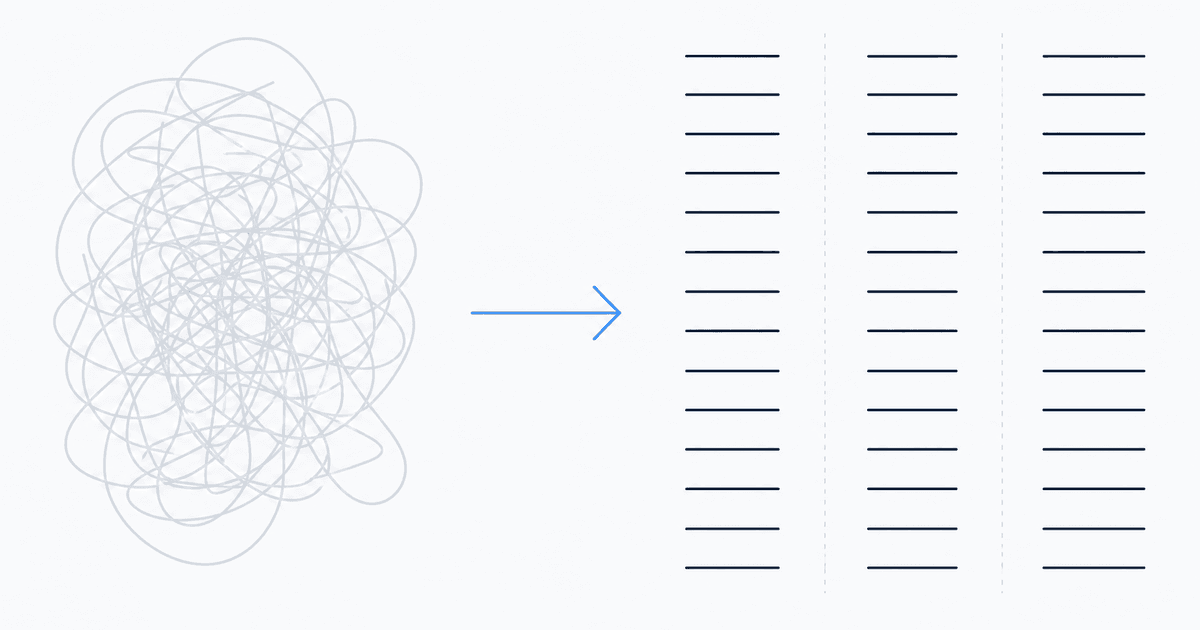
In the era of digital learning, many study apps still require students to retype information twice: first when reading, and again when converting that material into flashcards or practice questions. While this might have made sense in the days of handwritten index cards, it is an outdated approach when your primary resources are already digital—whether they are lecture PDFs, exported slides, scanned chapters, or notes hastily taken in class.
The real burden isn't just the time spent typing; it's the decision fatigue and context switching that occur. Every minute spent reformatting is a minute not spent engaging deeply with the material. Moreover, manual transcription can lead to errors: you might summarize too aggressively, overlook a subtlety important to your professor, or create flashcards that test superficial wording rather than core ideas.
Studeum is designed to streamline this process by using a direct, efficient workflow that respects the original material:
- Upload your existing documents (whether PDFs or pasted text). This ensures that all subsequent outputs are directly tied to your source material, not some generic content from the web.
- Receive structured outputs: a comprehensive study guide to review before class, flashcards that maintain the specific terminology used by your instructor, and quizzes that identify gaps you might miss when simply rereading.
- Maintain a unified workflow by avoiding the clutter of multiple tabs for notes, decks, question banks, and PDFs. This consolidation isn't about minimalism for its own sake; it's about preserving your coherent understanding of the course material.
Why Integrating Study Guides, Flashcards, and Quizzes Matters
A study guide helps you understand the overall landscape of the material. Flashcards are crucial for testing your ability to recall specific details under pressure. Quizzes challenge your ability to apply concepts and distinguish between similar ideas. Students who focus on only one of these tools often confuse recognition (familiarity with a phrase) with recall (the ability to produce it) or judgment (choosing the correct option when faced with similar choices).
By generating these layers from the same source, you reduce the time spent questioning whether your flashcards and highlighted notes are even addressing the same content. Studeum is crafted for such coherence: one source, multiple modes of practice.
Practical Workflow for a Typical Week
Select one target reading for each study session—perhaps twelve pages or the introduction to a problem set. Upload it, review the generated study guide, and then attempt the quiz before rereading. Consider your quiz score as diagnostic rather than evaluative. Use missed questions to guide your second review: revisit the specific sections the questions targeted, clarify misunderstandings, take a smaller quiz or flashcard session, and only then progress to new material.
By following this rhythm, you shift from treating “study tools” as occasional projects to viewing them as the infrastructure of the course you are actively engaging with.
What Studeum Does Not Replace
Studeum is not a substitute for attending office hours, working through proofs by hand, conducting lab experiments, or writing essays. These activities develop different skills. Instead, Studeum replaces the tedious task of bridging the gap between possessing material and practicing retrieval—especially when facing tight deadlines and you can't afford another night of manually converting PDFs into flashcards.
Handling Multipart Courses and Real-Life Complexity
Most students juggle multiple documents—weekly readings, problem sets, lab handouts, and slides that overlap without duplicating content. In such scenarios, scope discipline becomes more crucial than tool selection. Before uploading, decide: what is the smallest chunk I can complete tonight that will make a difference? Upload that segment, run through the process, and note any areas that remain unclear. The next day’s upload should address these uncertainties, rather than introducing an entirely new chapter.
In group study settings, ensure a shared scope (same problem set or chapter) before comparing answers. Tools that generate practice material from the same document facilitate this alignment—everyone debates the same definitions, not divergent summaries.
Building Accessibility and Habits
Long-term success with any tool, including Studeum, relies on consistent habits: same time of day, same minimum session length, and a firm rule about closing distracting tabs. No feature can outmatch a dedicated calendar block. If you can only manage four sessions a week, ensure they are focused retrieval sessions rather than eight half-hearted reviews.
Looking Ahead
We are committed to continually enhancing our platform to ensure outputs are even more aligned with your sources: improving alignment with lengthy readings, refining quiz difficulty, and smoothing habits for recurring courses. If you have a workflow suggestion, we welcome your feedback at support@studeum.app.
A Metric Worth Tracking
Monitor questions attempted per week from your own uploads—not the hours spent staring at pages. As this number increases, improvements in grades and confidence typically follow, as it reflects behaviors that truly transfer. If progress stalls, diagnose the issue: is the file too large? Is the session too unfocused? Is your phone too distracting? Address the bottleneck like an engineer, not a critic. Small, incremental improvements to your process can compound rapidly, far more effectively than grand promises to “study harder.”