Effective Strategies for Creating Study Guides
Learn how to make a study guide that enhances your studying skills. Discover great ways to study for exams using digital tools and AI to personalize your learning experience.
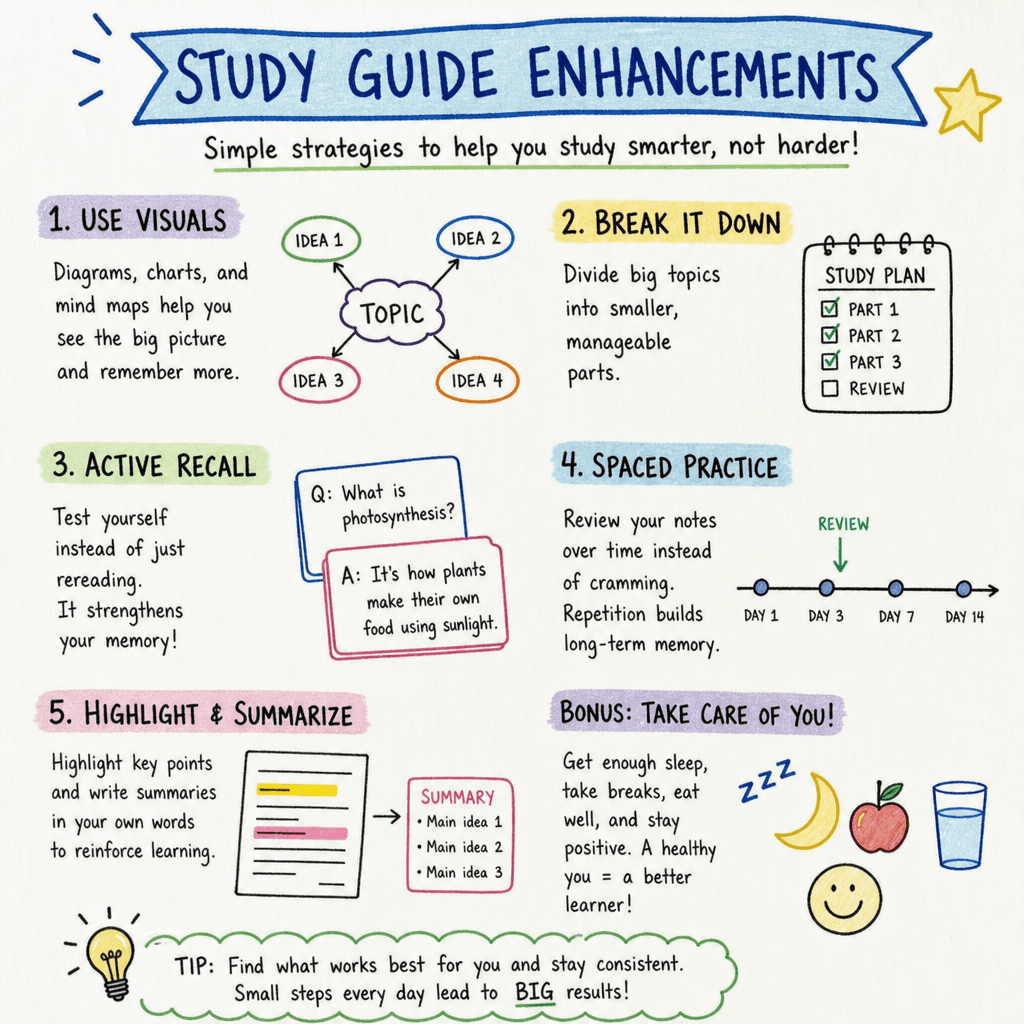
Creating an effective study guide can transform your study habits. It helps organize information and boosts your studying skills.
A well-crafted guide makes exam preparation more efficient. It highlights key concepts and aids in memory retention.
With the right strategies, you can tailor a study guide to suit your learning style. This personalization enhances understanding and recall.
Incorporating digital tools and AI can streamline the process. Apps for note making and AI tutoring apps offer great ways to study for exams.
This guide will explore how to make a study guide that works for you. Let's dive into the best study tools and techniques.
Why Study Guides Matter for Exam Success
Study guides play a crucial role in achieving academic success. They help break down complex information into manageable parts.
A well-organized study guide enhances clarity and focus. It ensures key topics are prioritized, aiding in efficient exam preparation.
By highlighting important terms and definitions, study guides facilitate understanding. They allow for active recall, which is vital for long-term memory retention.
Study guides also encourage goal setting, helping structure your study sessions. Here's why they are essential:
- Organize and condense information
- Highlight and clarify key concepts
- Enable active recall and practice
- Facilitate goal-oriented study sessions
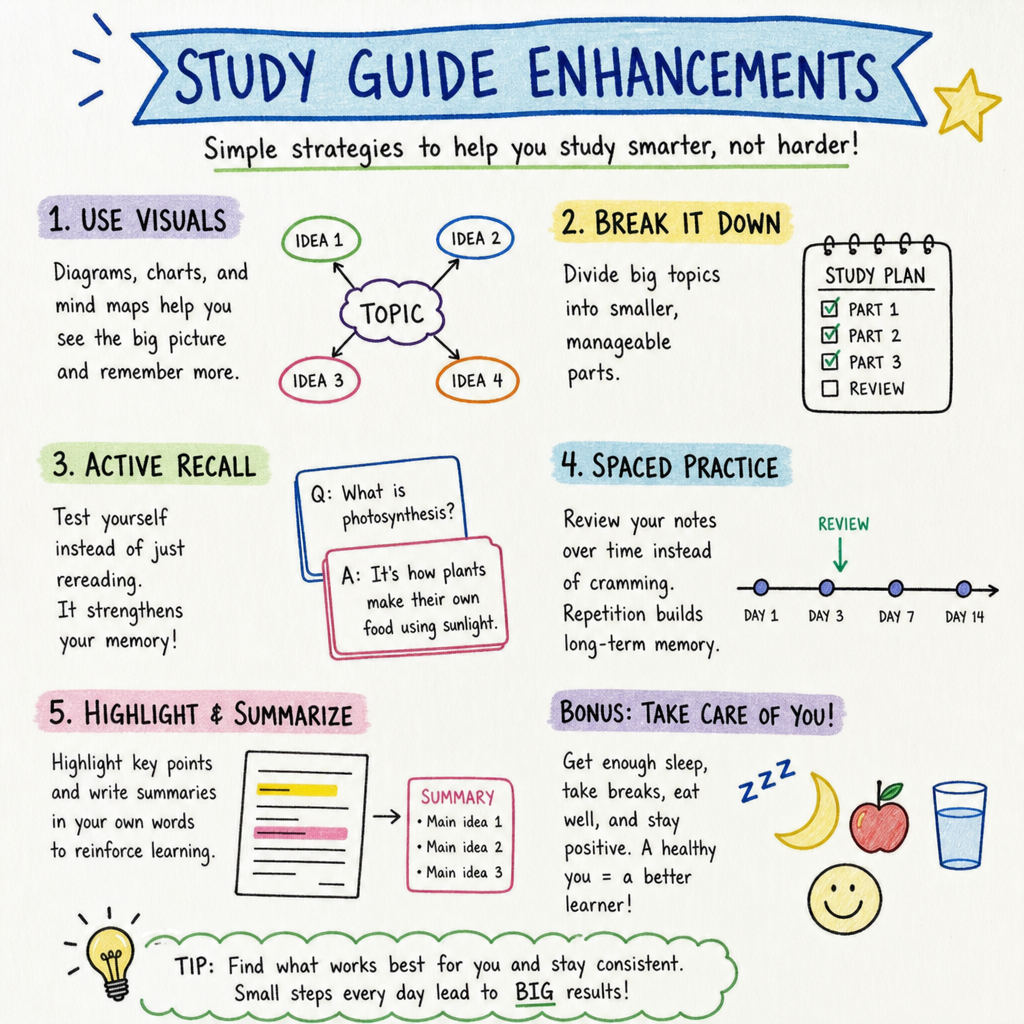
Incorporating these strategies can lead to significant improvements in exam performance. Consider creating a visual representation to see how study guides can streamline your preparation process.
Step 1: Gather and Organize Your Materials
The first step in creating an effective study guide is gathering all relevant materials. Start by collecting your textbooks, class notes, and any handouts received during lectures.
Next, organize these materials in a way that makes sense to you. Use folders, binders, or digital organization tools to keep things tidy. This will save you time when you begin the actual process of making your study guide.
Identify and prioritize the sources that will be most useful. Not everything will be equally important. Focus on materials that cover key topics and concepts.
Here’s a quick checklist to get you started:
- Textbooks and lecture notes
- Class handouts and assignments
- Supplementary online resources
- Relevant journal articles or publications
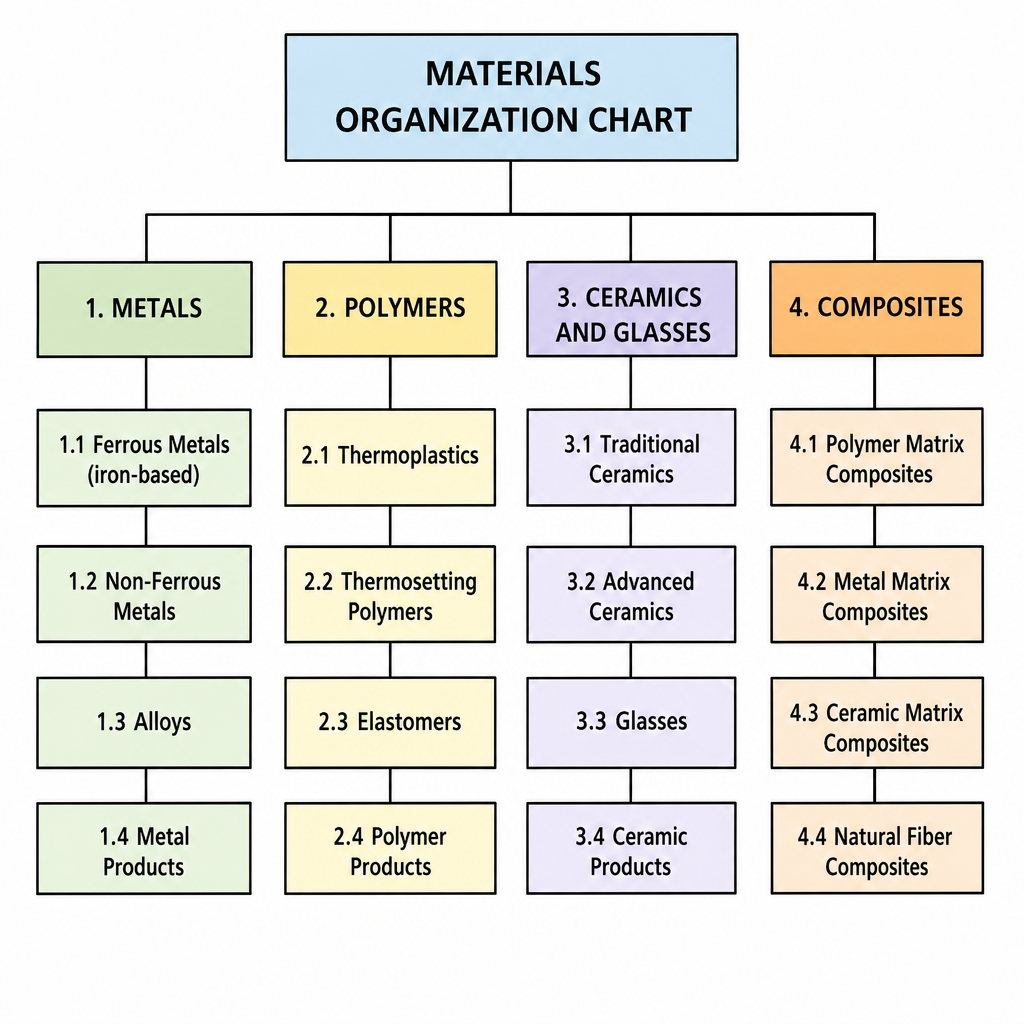
Having everything in one place allows you to access information efficiently. Visualize your material organization with a simple chart.
Step 2: Identify Key Concepts and Learning Objectives
Start by reviewing your syllabus to identify key concepts. Pay attention to lecture objectives outlined by your instructor, as these highlight what’s crucial.
Break down these concepts into manageable chunks. This can help you focus on what's most important when creating your study guide. Group related topics together for a clear, organized approach.
Creating a list of objectives can guide your study sessions. This list should reflect what you need to understand for exams.
Here’s a sample approach to identifying key concepts:
- Review syllabus and lecture notes
- Highlight main topics and objectives
- List significant theories and definitions
- Prioritize difficult or frequently covered material
By understanding what’s essential, your study guide will be more effective and tailored to your needs. Remember, this stage sets the foundation for the entire guide.
Step 3: Choose the Right Study Guide Format
Selecting the right format can greatly impact your study efficiency. The format should align with your learning style and the material you're covering. Some formats work better for specific subjects or exam types.
Consider using different formats such as outlines, mind maps, or flashcards. These offer distinct benefits depending on your needs. Mind maps are excellent for visual learners and subjects with complex relationships. Outlines are great for detailed topics that need a clear, logical progression.
Here’s a list of popular study guide formats:
- Outlines: Ideal for hierarchical information
- Mind Maps: Perfect for visualizing connections
- Flashcards: Efficient for memorizing facts and definitions

by Roman Kraft (https://unsplash.com/@romankraft)
Experiment with different formats until you find what best suits your style and the subject matter. Adapting your approach can lead to more effective learning and retention.
Step 4: Structure Your Study Guide for Clarity
An organized study guide is key to effective studying. Clear structure helps you find information quickly and reduces study time. Start by dividing your guide into sections aligned with your syllabus or textbook chapters.
Use headings and subheadings to break down the content. This hierarchy aids in navigating through topics effortlessly. Bullet points are also helpful for presenting lists or important facts concisely.
Incorporate the following elements to enhance clarity:
- Headings and Subheadings: Define topics and subtopics
- Bullet Points: Highlight key points for quick reference
- Consistent Formatting: Maintain uniformity for easier reading

by Brett Jordan (https://unsplash.com/@brett_jordan)
Clarity in your study guide reduces cognitive load, allowing for better focus on understanding the material. Regularly revisiting and refining the structure ensures it meets your evolving study needs. A well-organized guide is a powerful ally in exam preparation.
Step 5: Use Visuals and Summaries to Enhance Understanding
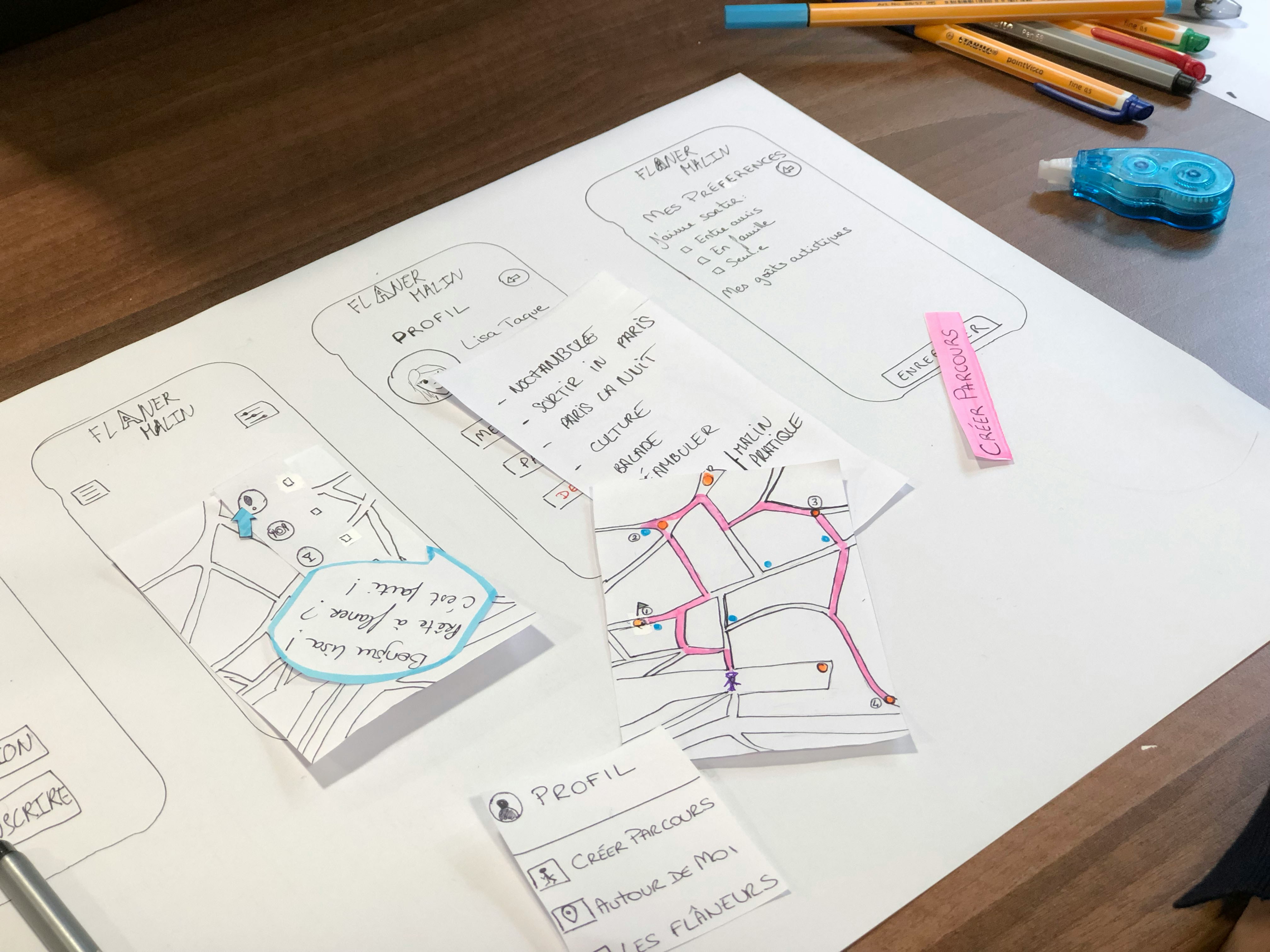
Visual aids transform complex data into digestible chunks. Diagrams, charts, and mind maps provide a fresh perspective on dense information. These tools allow for quicker comprehension by illustrating relationships and hierarchies.
Summaries serve to distill essential points into simpler forms. Putting concepts into your own words strengthens understanding. Use concise paragraphs or bullet lists to relay summaries efficiently.
Consider these visual and summary techniques:
- Diagrams and Charts: Visualize information
- Mind Maps: Show connections and hierarchies
- Summaries: Simplify and restate key ideas
by Amélie Mourichon (https://unsplash.com/@amayli)
Regularly referring to visuals and summaries aids retention and recall. These methods make reviewing an engaging activity. Enhanced comprehension through visual content reduces the strain of heavy reading, offering a balanced approach to learning.
Step 6: Incorporate Practice Questions and Active Recall
Practice questions simulate exam conditions and challenge your understanding. They force you to apply knowledge, revealing areas that need improvement. Including these in your study guide ensures you're prepared for the real thing.
Active recall involves testing your memory without prompts. It's a powerful technique for strengthening memory. By recalling information repeatedly, you engage with the material on a deeper level.
To make the most of this step, try these methods:
- Create Custom Practice Tests: Tailored to your study material
- Use Flashcards: For quick review and self-testing
- Engage in Group Quizzes: Collaborative learning fosters accountability
Incorporating these techniques can make studying more interactive. This hands-on approach increases your confidence and readiness for exams.
Step 7: Leverage Digital Tools and AI for Smarter Studying
Today's technology can transform how you study. Digital tools simplify and automate the creation of study guides. By integrating these tools, students can save time and enhance learning effectiveness.
AI-powered apps can help organize notes efficiently. They provide features like summarization and keyword highlighting to streamline revision. Using AI notes readers allows you to listen to your notes, adding a multi-sensory learning approach.
Consider incorporating these tools into your study routine:
- Note-Taking Apps: Organize and access information easily
- AI Tutoring Apps: Get personalized insights into weaknesses
- AI Notes Reader: Listen to materials while on the go

by Ben Spray (https://unsplash.com/@benspray)
Embracing these digital aids can optimize your study time. They make the process more flexible, catering to different learning styles. Thus, technology not only enhances your study guide but also encourages continual learning improvement.
Step 8: Collaborate and Get Feedback
Working with peers can provide fresh insights into your study guide. Sharing knowledge helps fill gaps you might have overlooked. Collaboration fosters deeper understanding through discussion and various perspectives.
Getting feedback is crucial for fine-tuning your study materials. Teachers and classmates can suggest improvements or highlight key points you missed. This process enhances both the content and effectiveness of your guide.
Consider these collaboration methods:
- Study Groups: Exchange ideas and clarify doubts
- Peer Review: Get suggestions for improvement
- Classroom Discussions: Gain broader insights
Engaging with others in your study process creates a well-rounded and refined guide. It ensures your preparation is comprehensive and aligned with expected outcomes.
Step 9: Review, Revise, and Personalize Your Study Guide
Once your study guide is complete, regular reviews are essential. Revising ensures the information is accurate and up-to-date with current coursework. This ongoing process helps reinforce your learning and solidify understanding.
Personalization is key to making the study guide truly effective for you. Tailor it to your learning style and preferences, incorporating methods that enhance your retention. This could involve unique color codes, mnemonics, or even personalized summaries.
Consider these strategies when personalizing:
- Integrate Personal Notes: Add insights or examples personal to your context.
- Highlight Trouble Areas: Focus on sections needing additional review.
- Adjust Content: Modify the guide to fit new learning objectives.
By continually refining your guide, you create a dynamic tool that adapts to your evolving understanding and academic needs.
Tips for Staying Motivated and Managing Study Stress
Keeping up motivation and managing stress are crucial for successful studying. Setting clear, achievable goals can boost your morale. This helps maintain focus and direction throughout your study sessions.
Incorporate stress-management techniques to prevent burnout. Frequent breaks, deep-breathing exercises, and physical activity can refresh your mind. Staying positive and celebrating small victories also helps sustain energy.
Consider these tips to enhance motivation and reduce stress:
- Break Tasks Into Smaller Steps: Simplifies overwhelming work.
- Use a Reward System: Enjoy a treat after completing tasks.
- Connect With Study Buddies: Share experiences and support each other.
By maintaining motivation and managing stress effectively, you pave the way for a more productive and enjoyable study experience.
Conclusion: Make Study Guides Work for You
Crafting an effective study guide involves many steps and strategies. Each approach should be tailored to your personal learning style. Study guides empower you by organizing and simplifying complex information.
Remember to integrate both traditional and digital tools in your study routine. This blend maximizes comprehension and retention. Always update and refine your guides to reflect your evolving understanding.
Ultimately, a well-crafted study guide becomes a powerful tool for academic success. It not only aids in exam preparation but also enhances overall learning. Make it a cornerstone of your studying skills to achieve your academic goals.
Last updated: July 6, 2026.